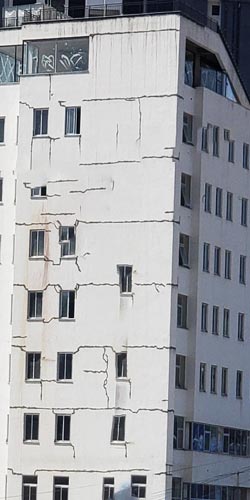
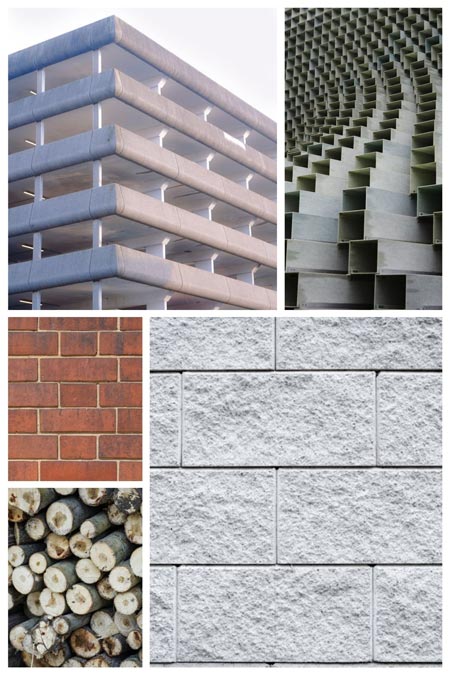
አዲስ አበባ የሚገኝ ሕንፃ
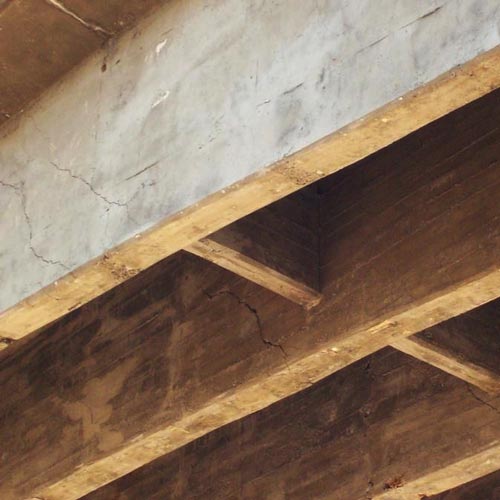
የጅማ መንገድ ጊቤ ድልድይ
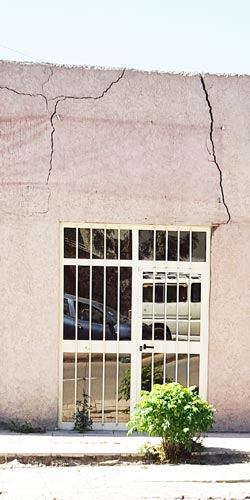
በቄራ የሚገኝ ቤት
ሁላችንም ግድግዳዎች ላይ፣ ወለሎች ላይ፣ ቤቶች ወይም መንገዶች ላይ ስንጥቆችን አይተናል፤ ብዙዎቻችን ወድያው የምናስበው በግንባታ ላይ የሆነ ችግር እንደተፈጠረ ነው። እንደ እውነቱ ከሆነ፣ አብዛኛዎቹ ስንጥቆች በጣም የተለመዱ ናቸው።

የሃይል ውጥረት
ስንጥቆች ሕንፃው ለሃይል ውጥረት፣ ለሙቀት ለውጦች፣ ለእርጥበት እና ለእርጅና እንዴት ምላሽ እንደሚሰጥ የሚያሳይበት መንገድ ናቸው።
እነዚህ ፍንጮች አንድ መዋቅር እንዴት እየሰራ፣ እያረጀ እና ለአካባቢው ምላሽ እየሰጠ እንደሆነ የሚያሳዩ ናቸው።
ከትንሹ ቤት እስከ ረጅሙ ሕንፃ ድረስ ያለው እያንዳንዱ ግንባታ ከጊዜ በኋላ ምልክቶችን ያሳያል፣ እና ስንጥቆች በጊዜ ሂደት የሚፈጠሩ ሁነቶች ናቸው። የቤት ባለቤት፣ ተከራይ ወይም ስለዚህ ጉዳይ ለማወቅ የሚፈልጉ ከሆነ፣ ይህ መመሪያ ስንጥቆች ምን እንደሚያመለክቱ፣ የትኞቹ ምንም ጉዳት እንደሌላቸው እና የትኞቹ ትኩረት እንደሚያስፈልጋቸው ለመረዳት ያግዝዎታል።
ስንጥቅ ማለት ምንድን ነው?
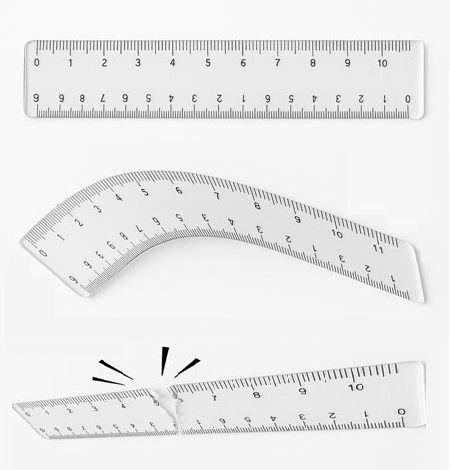
የፕላስቲክ ማስመሪያ ለማጠፍ ይሞክሩ። መጀመሪያ ላይ በቀላሉ ይለመጣል። ትንሽ ተጨማሪ ጉልበት ሲጨምሩ እና ማስመሪያው ጠንከር ይላል። በደንብ ጉልበት ሲጨምሩ ግን ማስመሪያ ይሰበራል። በግንባታ ቁሳቁስ ውስጥ ያለው ስንጥቅ በተመሳሳይ መንገድ ነው የሚፈጠረው፤ በቁሳቁሱ ላይ ያለው የክብደት ውጥረት ከቁሱ ጥንካሬው ሲበልጥ የሚፈጠር መከፈል ወይም ክፍተት ነው።
እንደ ኮንክሪት፣ ሸክላ ጡብ፣ እንጨት፣ ልስን እና ብረት ያሉ ቁሳቁሶች ሁሉም ክብደት የመሸከም አቅም ገደቦች አሏቸው። በእንቅስቃሴ፣ በሙቀት ለውጥ፣ ጥራት የሌለው ግንባታ ወይም በተፈጥሮ እርጅና ምክንያት - እነዚህ ገደቦች ላይ ሲደረሱ በመሰነጣጠቅ ምላሽ ይሰጣሉ።
እንደ ፕላስቲኩ ማስመሪያ ወይም ከላይ እንደሚታየው ፊኛ፣ አንድ ሕንፃ ስንጥቅ ስለታየ ብቻ አይፈርስም። ስንጥቆች የሚታዩ ፍንጮች ሆነው ያገለግላሉ፤ አንዳንዶቹ ምንም ጉዳት የሌላቸው፣ የተለመዱ ለውጦችን የሚያንፀባርቁ፣ ሌሎች ደግሞ ትኩረት የሚያስፈልጋቸውን ውጥረት ወይም እንቅስቃሴ ያመለክታሉ።
ስንጥቆች ለምን ይከሰታሉ?
ስንጥቆች ብዙውን ጊዜ የሚከሰቱት ከአንድ ምክንያት ይልቅ ከተለያዩ ምክንያቶች ጥምረት ነው። በጣም የተለመዱት ምክንያቶች እነሆ፡
 የሙቀት ለውጦች፦ የግንባታ ቁሳቁሶች በሙቀት ጊዜ ይለጠጣሉ እንዲሁም በቅዝቃዜ ጊዜ ይኮማተራሉ። ከጊዜ በኋላ እነዚህ የመለጠጥ እና የመኮማተር እንቅስቃሴዎች ሲደመሩ ስንጥቆችን ሊያስከትሉ ይችላሉ።
ምሳሌ፡- የማስፋፊያ መገጣጠሚያዎች የሌላቸው ረጃጅም የኮንክሪት ግድግዳዎች ብዙውን ጊዜ ቀጥ ያሉ ስንጥቆችን ያወጣሉ ምክንያቱም የሚለጠጡበት ቦታ ስለማያገኙ ነው። እርጥበት፣ መድረቅ እና መኮማተር፦ ኮንክሪት/አርማታ፣ ልስን እና ሞርታር ሲደርቁ ይኮማተራሉ፣ ይህ ሂደት በእኩል ጊዜ ካልተካሄደ፣ ጥቃቅን ፀጉር መሳይ ስንጥቆች ይፈጠራሉ። ከመጠን በላይ እርጥበት የቁሳቁሶችን ጥንካሬ ሊያዳክም ወይም ብረትን ሊያዝግ ይችላል፣ ይህም ጥልቀት ያላቸው ስንጥቆች ሊያመጣ ይችላል።
- የመሬት እንቅስቃሴ እና መስጠም፦ ህንጻው ያረፈበት መሬት ሊንቀሳቀስ፣ ሊንሸራተት፣ ሊያብጥ ወይም ሊሰጥም ይችላል፣ ይህም ወለሎች እና ግድግዳዎች ላይ ጉዳት ሊያመጣ ይችላል።
ለምሳሌ፡- በዝናባማ ወቅቶች ጥቁር አፈር ያብጣል እና ደረቅ በሆኑ ወቅቶች ደግሞ ይቀንሳል፣ ይህም በመሠረት ወይም በግድግዳ ላይ ስንጥቅ ያስከትላል።  የግንባታ ቁሳቁሶች እርጅና፦ ከጊዜ በኋላ ኮንክሪት/አርማታ ተሰባሪ ይሆናል፣ ብረት ይበሰብሳል፣ እንጨት ይታጠፋል እና ቀለም ይላላጣል። ተፈጥሯዊ እርጅና ስንጥቆች እንዲታዩ ሊያደርግ ይችላል።
 ከባድ ጭነቶች እና ውጫዊ ኃይሎች፦ የመንቀጥቀጥ ንዝረት፣ ኃይለኛ ነፋስ፣ አውሎ ንፋስ፣ ማሽነሪዎች ወይም በአቅራቢያው ያሉ የትራፊክ እንቅስቃሴዎች ሕንፃዎችን ሊያውኩ ይችላሉ፣ ይህም አንዳንድ ጊዜ ወደ ስንጥቆች ሊያመራ ይችላል።
 የግንባታ ወይም የዲዛይን ችግሮች፦ ጥሩ ጥራት የሌላቸው የግንባታ ግብዓቶች፣ ደካማ መሠረቶች፣ በቂ ያልሆነ ፌሮ ብረት፣ የተጣደፈ ግንባታ ወይም የመለጠጫ መገጣጠሚያዎች አለመኖር በኋላ ላይ ስንጥቆች እንዲታዩ ያደርጋል።
ስንጥቆች በብዛት የሚከሰቱት የት ነው?
ስንጥቆች በየትኛውም ቦታ ሊታዩ ይችላሉ፣ ነገር ግን አንዳንድ ቦታዎች ከፍተኛ ውጥረት ስለሚያጋጥማቸው የበለጠ ተጋላጭ ናቸው።
በመስኮቶችና በሮች ዙሪያ፦ እንቅስቃሴ የሚታዩባቸው ደካማ በታዎች

የክፍሎች ወይም የህንፃዎች ማዕዘኖች፡- ውጥረት እነዚህ አከባቢ ያተኩራል።

የተለያዩ ቁሳቁሶች መጋጠሚያዎች፡ ለምሳሌ የጡብ እና ኮንክሪት መገጣጠሚያ።

ወለሎች እና የጣሪያ ስላቦች፡- በመኮማተር፣ በእርጥበት እና በሙቀት ለውጦች ተጽዕኖ ይደረግባቸዋል።

ቋሚዎች እና አግዳሚዎች፡- ከመጠምዘዝ፣ ከመሳሳብ ወይም ከዝገት ሊሰነጠቁ ይችላል።

መሠረት እና የግድግዳዎች መቀመጫ፡- ብዙውን ጊዜ አግድም ወይም ጠባብ ስንጥቆችን ይፈጥራል።

እንደ የመኪና መንገድ፣ የእግረኛ መንገዶች እና ድልድዮች ያሉ ከቤት ውጭ ያሉ ቦታዎች በትራፊክ ጭነቶች፣ በአየር ሁኔታ ለውጦች እና በአፈር እንቅስቃሴ ምክንያት ስንጥቆች ይፈጠራሉ።
በአጠቃላይ፣ ስንጥቆች በጣም ደካማውን መንገድ ይከተላሉ - የሞርታር መገጣጠሚያዎች፣ ቀጭን አካላት ወይም ቀላል ጭነት ያላቸው ቦታዎች - ይህም መዋቅሩ ለተለያዩ ውጥረቶች ምላሽ እንዴት እንደሚሰጥ ፍንጭ ነው።
የሰንጥቅ ቅርጾች እና ዓይነቶች
የስንጥቅ ቅርጽ መንስኤውን እና አስከፊነቱን ለመረዳት ይረዳል። ቀላል መመሪያ እነሆ፡
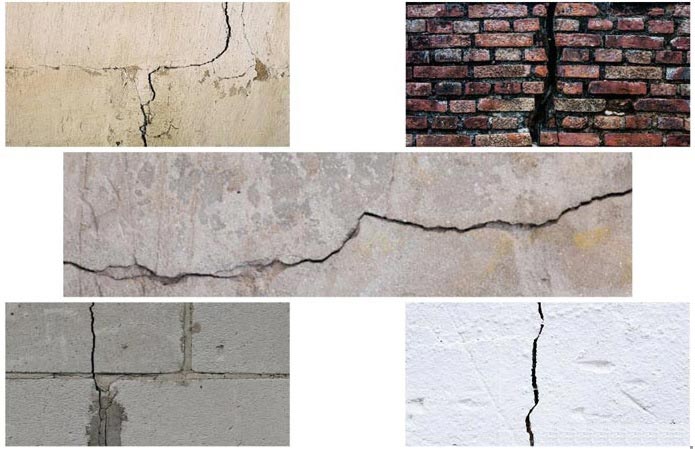
| እንደ ፀጉር ቀጫጭን ስንጥቆች፡ ቀጭን፣ ብዙ ያልተጋነኑ፣ በመድረቅ ሂደት ወይም በትንሽ የሙቀት ለውጦች ምክንያት የሚመጣ። |
| ወዳ ላይ የቆሙ ስንጥቆች፡ ብዙውን ጊዜ የሚከሰተው በመስጠም ወይም በትንሽ እንቅስቃሴ ምክንያት ነው። |
| ዲያግናል ስንጥቆች፡ ጭነቶች ቦታ ሲቀያይሩ ወይም መሠረቶች እኩል ባልሆነ ሁኔታ ሲሰምጡ ሊታዩ ይችላሉ። |
| በጡብ ግድግዳዎች ላይ የደረጃ ስንጥቆች፡ የሞርታር መስመሮችን ይከተላሉ፣ ይህም ብዙውን ጊዜ በመሠረት እንቅስቃሴ ምክንያት ነው። |
| አግድም ስንጥቆች፡ አስከፊ የሆነ ስንጥቅ ሲሆን፤ የአፈር ግፊት፣ የውሃ ግፊት ወይም የመዋቅር ውጥረትን ሊያመለክት ይችላል። |
| አእየሰፋ የሚሄዱ ስንጥቆች፡ በአንድ በኩል ሰፊ፤ ብዙውን ጊዜ ከመሬት መስመጥ ወይም ማበጥ ጋር የተያያዘ። |
| የዘፈቀደ/የካርታ ስንጥቆች፡ ድር የሚመስል የኮንክሪት ወለል ስንጥቆች፤ በፍጥነት እርጥበት በመጥፋቱ ምክንያት የሚፈጠር ስንጥቅ፤ ብዙውን ጊዜ ላይ ላዩን የሚታዩ ናቸው። |
እነዚህን ስንጥቆች መረዳት ስንጥቅ ዝም ብሎ ካላይ የሚታይ ወይም የባለሙያ ትኩረት የሚያስፈልገው መሆኑን ለመወሰን ይረዳል።
ስንጥቆች አደገኛ ናቸው?
አብዛኛዎቹ ስንጥቆች ምንም ጉዳት የላቸውም፣ ትንሽ እና በቀላሉ ቁሶች በሚያረጁበት እና በሚንቀሳቀሱበት ጊዜ የሚፈጠሩ ናቸው። ሆኖም ግን፣ አንዳንድ ስንጥቆች ጥልቅ የሆኑ መዋቅራዊ ችግሮችን ያመለክታሉ፣ በተለይም በመሠረት እንቅስቃሴ፣ በከባድ ጭነት ወይም በዲዛይን ጉድለቶች ምክንያት የሚከሰቱ። ቁልፍ ነጥቦች፡
የፀጉር መስመር ስንጥቆች እምብዛም ችግር የላቸውም።
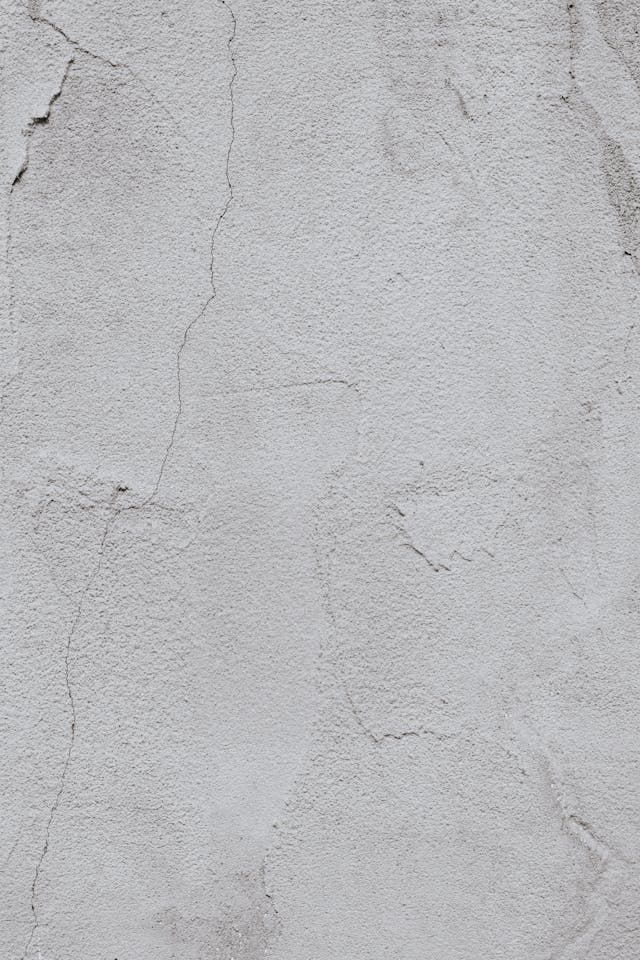
ትላልቅ፣ የሚያድጉ ስንጥቆች - በተለይም ሰያፍ፣ ደረጃ በደረጃ ወይም ከጥቂት ሚሊሜትር በላይ ስፋት ያላቸው - ቀጣይነት ያለው ውጥረትን ሊያመለክቱ ይችላሉ።
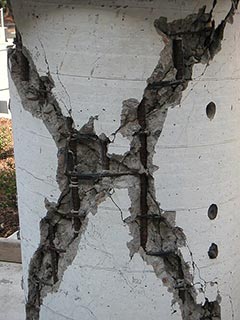
እየሰፉ እና እየጨመሩ የሚሄዱ ስንጥቆች በባለሙያ መመርመር አለባቸው።
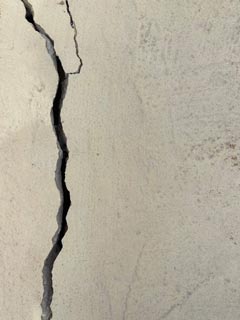
ስንጥቆች ምን ማለት እንደሆኑ ማወቅ ከአላስፈላጊ ጭንቀትን ይገላግላል፣ ችግሮችን ቀደም ብለው እንዲያውቁ እና ደህንነታቸው የተጠበቀ ቤቶችን እና ሕንፃዎችን ለመገንባት ይረዳል።
ስንጥቆችን መጠገን ይቻላል?
ስንጥቆች ቀለምን ወይም ወለልን እንደምናስተካክልበት መንገድ የሚስተካከሉ ነገሮች አይደሉም። በምትኩ፣ ግቡ ስንጥቆች እንዳይፈጠሩ መከላከል፣ መጠገን ወይም እንደ መንስኤያቸው እና አስከፊነታቸው መቆጣጠር ነው።
- ትናንሽ፣ የማይለወጡ ስንጥቆች (የፀጉር አይነት፣ ከ1 ሚሜ በታች)፡- ብዙውን ጊዜ ምንም ጉዳት የሌላቸው ሲሆኑ ዘም ብሎ ሊተው ይቻላል ወይም እርጥበትን ለማስቆም እንደገና ሊታሸጉ/ሊቀቡ ይችላሉ።
- እየጨመሩ ወይም እያደጉ የሚሄዱ ስንጥቆች፡ አዲስ ስንጥቆችን ሊከፍቱ ወይም ሊፈጥሩ በሚችሉ ጠንካራ ቁሶች (ሲሚንቶ፣ ጠንካራ ኢፖክሲ) መሞላት የለበትም። እነዚህ ስንጥቆች እንቅስቃሴን ለመፍቀድ ተለጣጭ ማሸጊያዎች (ማስቲክ፣ ፖሊዩረቴን) ያስፈልጋቸዋል።
- ትላልቅ ወይም መዋቅራዊ ስንጥቆች፡ በመጀመሪያ ዋናውን መንስኤ (መሬት፣ የአፈር እንቅስቃሴ፣ ዝገት፣ ወዘተ) ያስተካክሉ። ከዚያም እንደ ኤፖክሲ ሲሪንጅ ወይም ስፌት ያሉ ልዩ ጥገናዎችን ይጠቀሙ።
ቀጥሎ ምንድነው?
በሚቀጥለው ጽሑፍ፣ የሚከተሉትን እንዳስሳለን፦
- ስንጥቆችን እንዴት መከላከል እንደሚቻል: ቀላል ጥገና፣ ጥሩ የግንባታ ልምዶች እና ስንጥቅን ለመቀነስ የሚረዱ ልምዶች።
- ስንጥቆችን በአስተማማኝ ሁኔታ እንዴት መገምገም እንደሚቻል: የስንጥቅ መጠን፣ ቦታ፣ ቅርፅ እና እድገትን ያለአደጋ ለመፈተሽ ጠቃሚ ምክሮች።
- ባለሙያ መቼ እንደሚደውሉ፦ ስንጥቅ መዋቅራዊ ሊሆን እንደሚችል የሚያሳዩ ምልክቶች እና ባለሙያዎችን ለማነጋገር መመሪያ።
በዚህ እውቀት፣ ስንጥቆችን በመለየት፣ መንስኤዎቻቸውን በመረዳት እና ሕንፃዎን ለመጠበቅ ትክክለኛ እርምጃዎችን በመውሰድ በራስ መተማመን ያሳድጋሉ።
ከዚህ በላይ ስላለው ጽሑፍ ምን ያስባሉ?
ከታች ባለው የአስተያየት መስጫ ሳጥን በኩል ሃሳብዎን ያካፍሉ።
ወይም
ምላሽ ይስጡ