Construction Solution Ideas
-
10 Quality Tests You Should Never Skip in Your Building Project
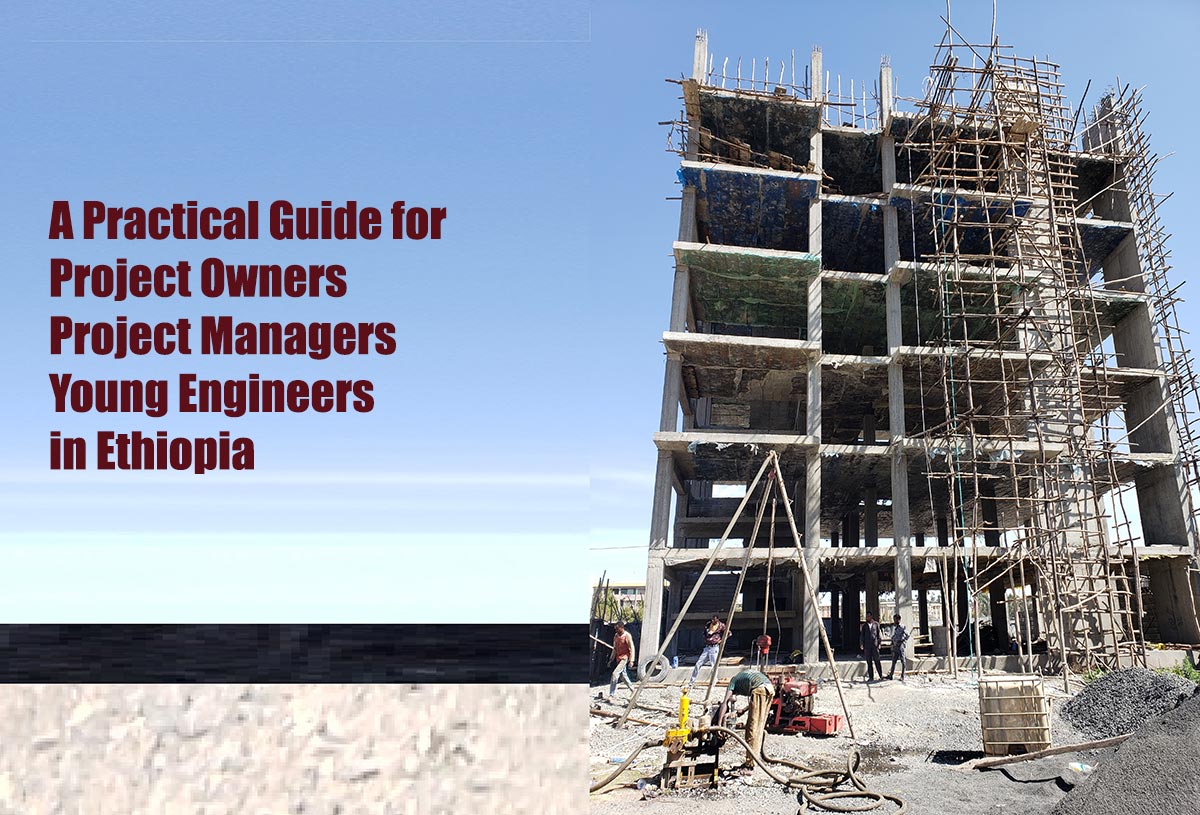
In Ethiopian construction sites, rushing work without testing leads to cracked slabs, leaking basements, and expensive rework. Discover the essential quality tests that protect your building investment — explained with real site experience and practical tips.
-
Cracks in Your Home or Building: What They Really Mean
Cracks in homes and buildings are often misunderstood. While some may signal structural issues, most are normal signs of aging, temperature changes, moisture, or soil movement. This guide explains why cracks appear, where they commonly form, the different types and shapes, and how to tell if they’re harmless or need professional attention. Learn to read…
-
Concrete Must‑Knows on Job Site: For Best Quality
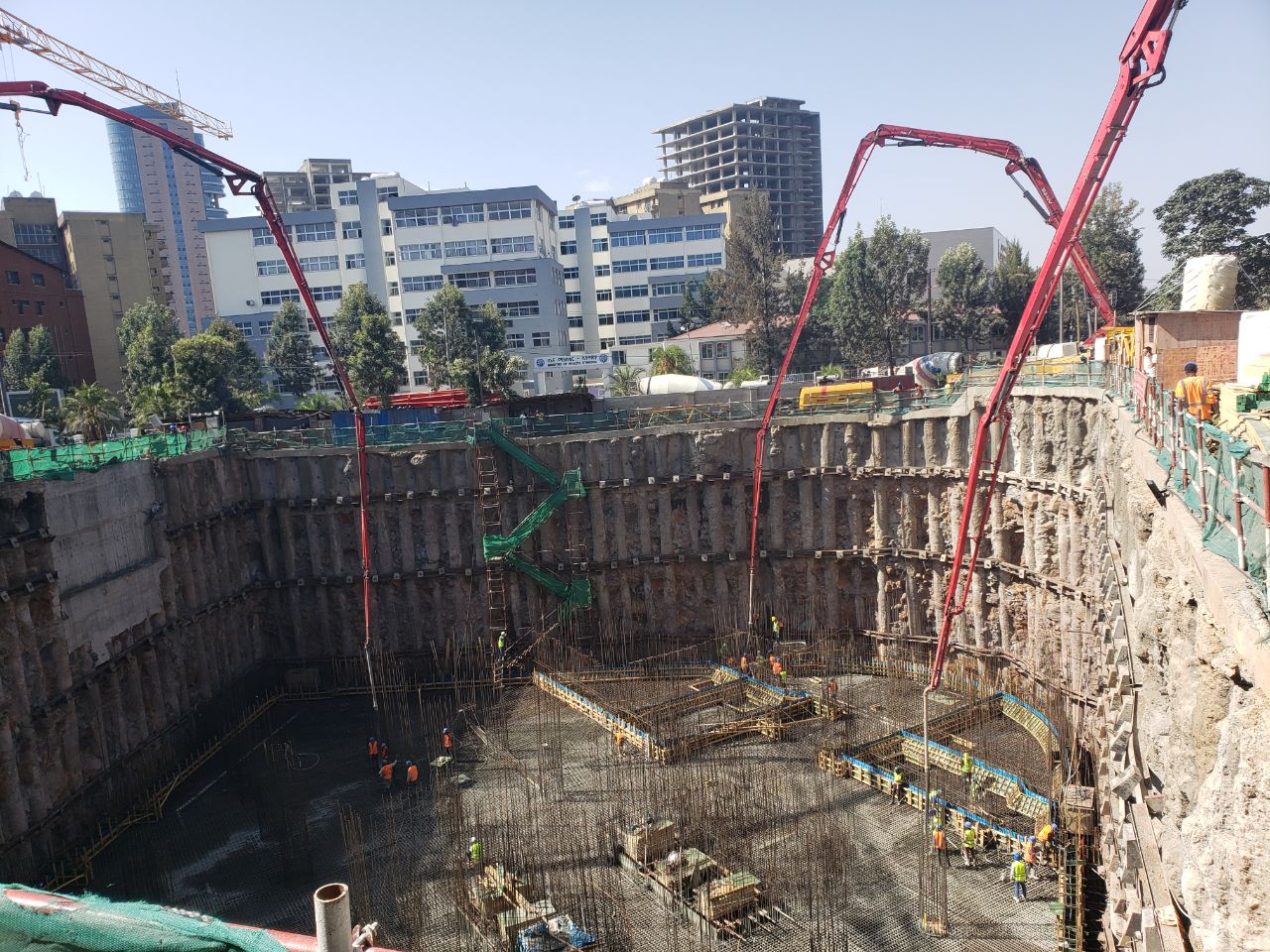
Concrete fails or succeeds long before it hardens — and most problems start on-site. This must knows are the essential steps every construction worker should follow to ensure strong, durable concrete. From checking the mix on the delivery ticket to preparing the subgrade correctly, proper formwork cleaning, and having the right tools ready, each action…
-
Concrete Explained in Plain Language: Engineering Simplified!
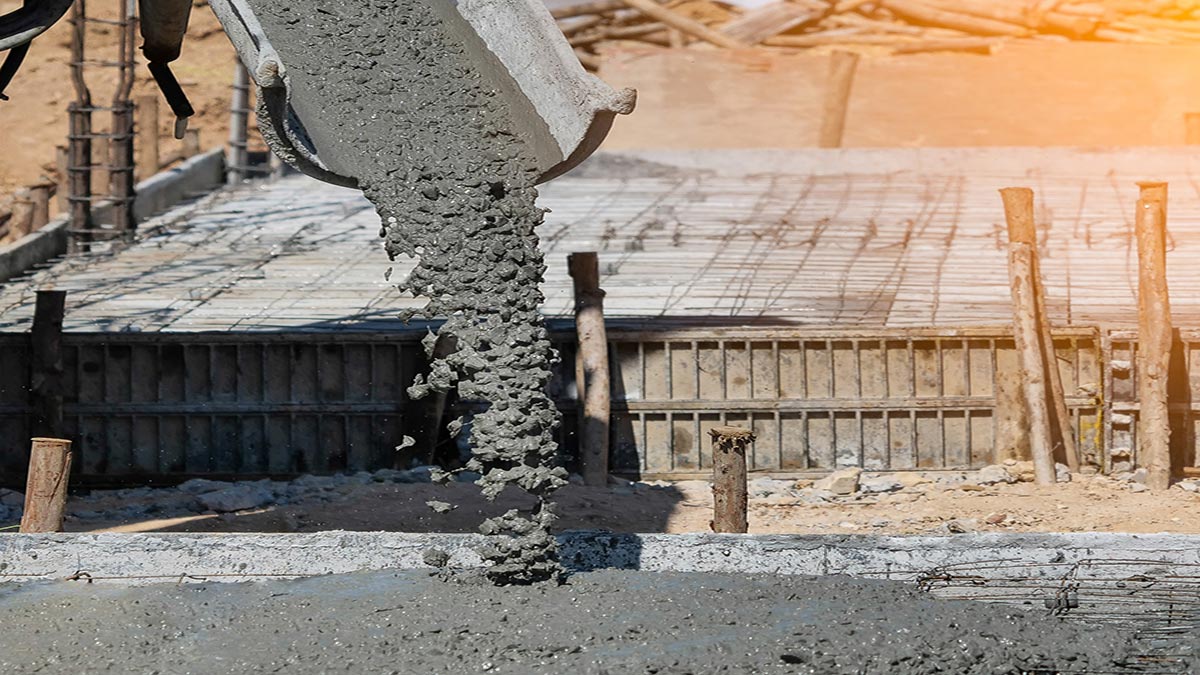
Concrete is everywhere — in houses, roads, bridges, and even the floors we walk on. But what is it made of, and why is it so strong? This simple guide explains concrete in everyday language: how it’s mixed, how it hardens, and why good materials and curing matter. No engineering background needed.
-
Why You Really Need a Geotechnical Investigation in Ethiopia
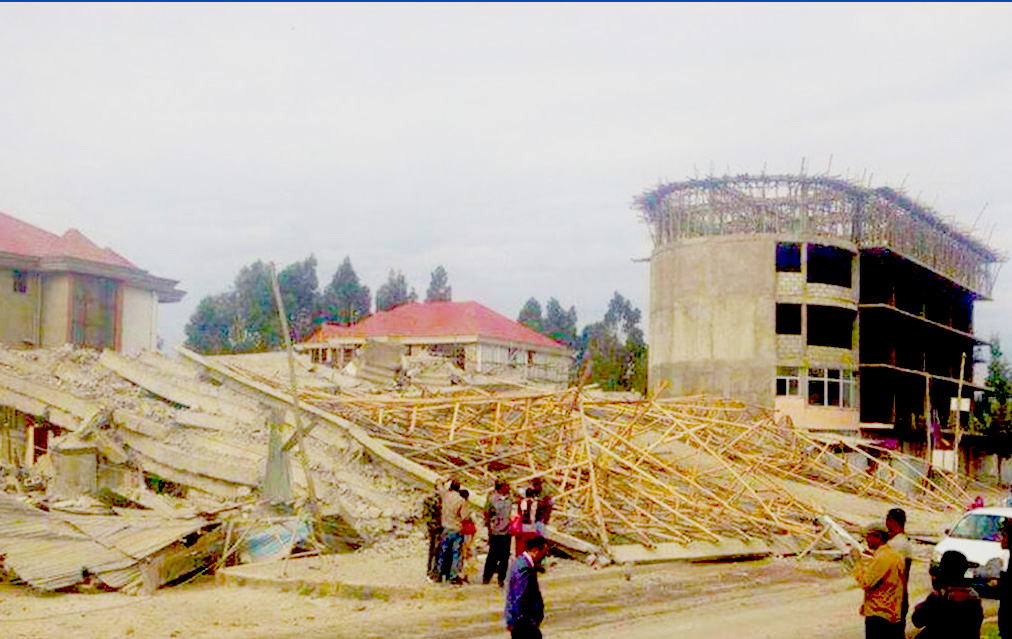
Low-rise buildings and light structures used to dominate Ethiopia and its capital city Addis Ababa infrastructure capability. These has led to a belief that geotechnical investigations are not that much essential. Nevertheless, the country has started building major structures recently which require investigation before the construction work.
-
Introduction to Geotechnical Engineering: Understanding the Ground Beneath Your Structure

Geotechnical engineering is the branch of civil engineering that studies the soil and rock beneath our feet and how they behave when we build on them. It helps engineers understand whether the ground can safely support structures like houses, roads, bridges, and dams.
-
Small Projects, Big Clarity: How to Structure Construction Contracts
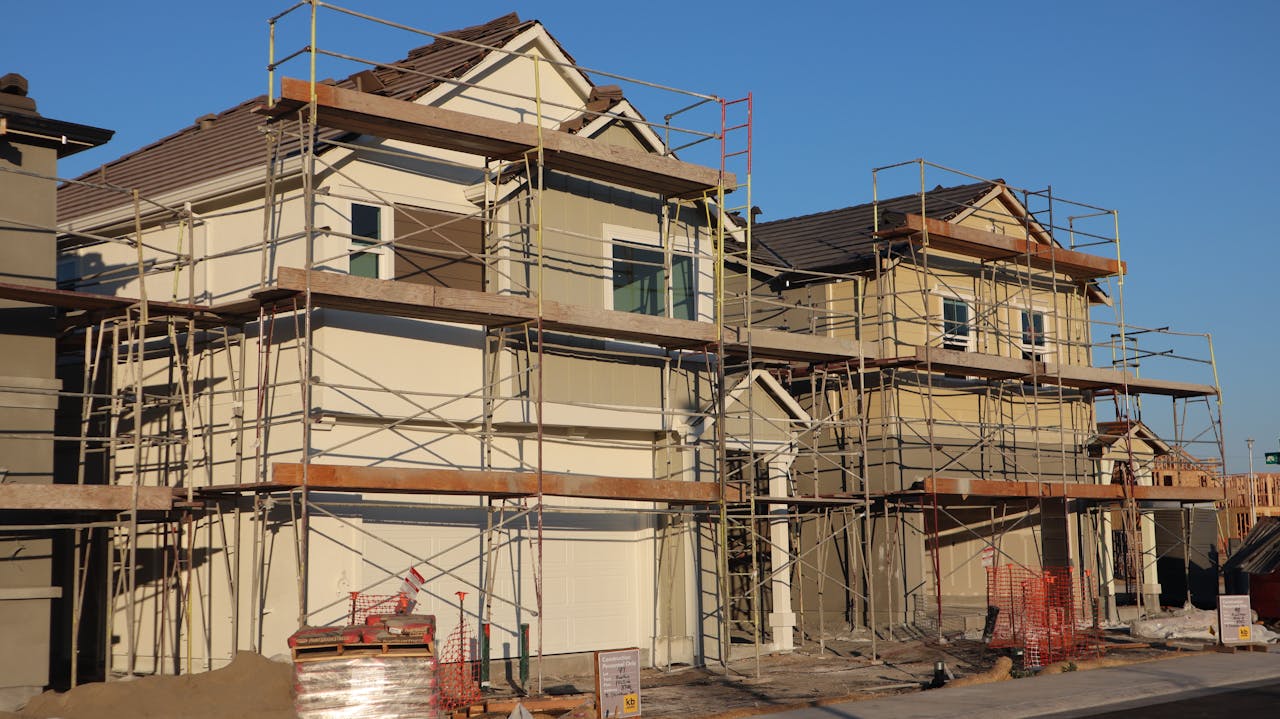
Even small construction projects like a G+3 building, village bridge, or warehouse need clear contracts. Learn the basics, key parties, contract types, and how to draft agreements to avoid disputes and keep projects on track.
-
Building Trust: Drafting a Simple Construction Agreement

Even for small construction projects like home renovations or fence building, a simple construction agreement protects both parties. Learn why agreements matter, how to draft one, and see a sample template.
-
Choosing the Right Construction Contract: Types, Standards, and Best Practices

Selecting the right construction contract is key to project success. Explore the main contract types, their pros and cons, relevant standards, and best practices for preparing effective contract documents.
-
A Beginner’s Guide to Construction Planning for Owners and Project Managers
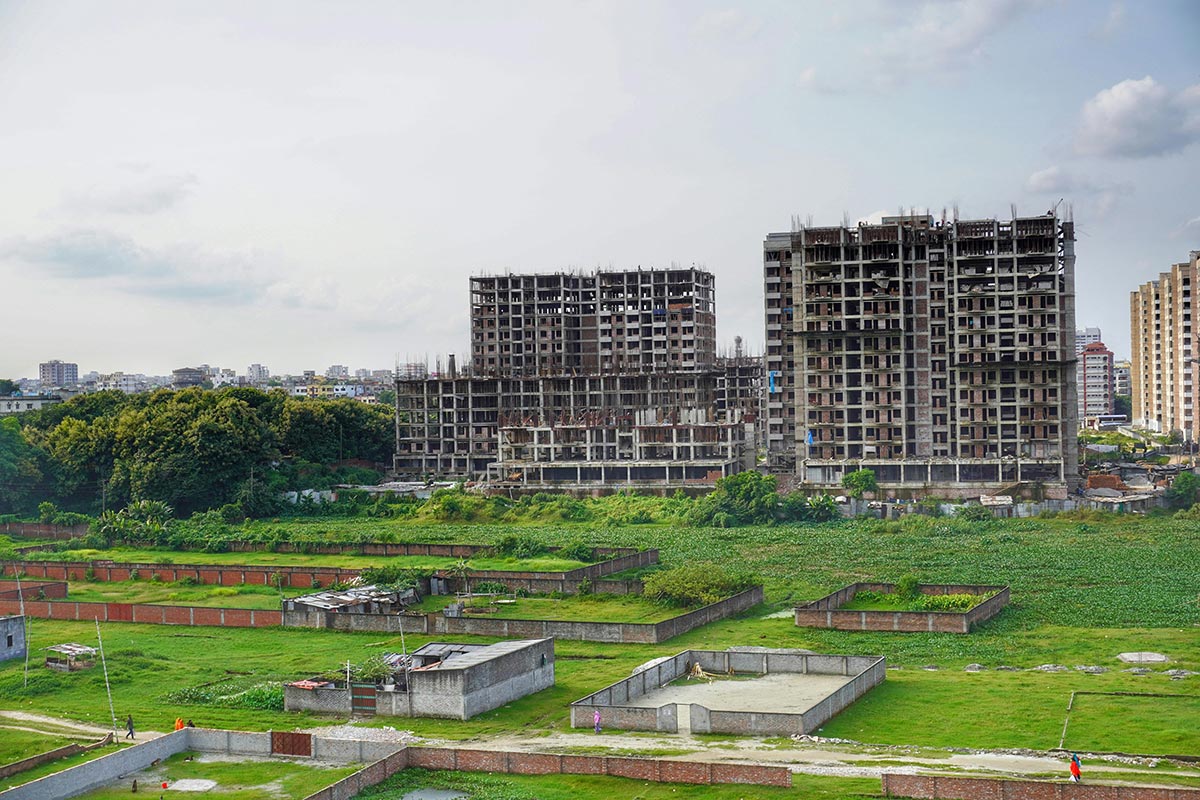
Construction planning is crucial for owners and project managers to ensure projects run smoothly. Learn the six key phases—from conception to closure—and common pitfalls to avoid.