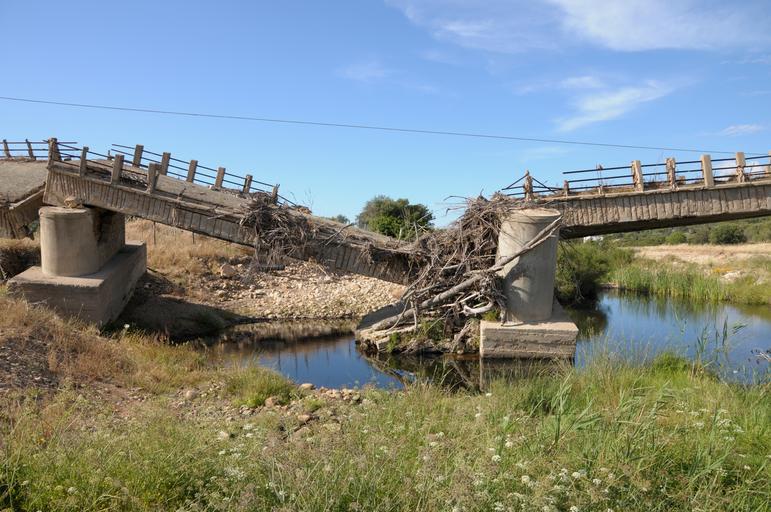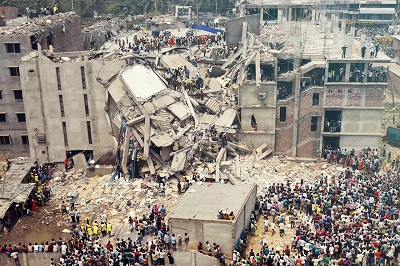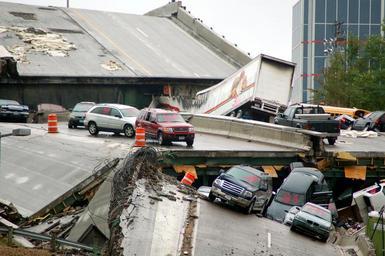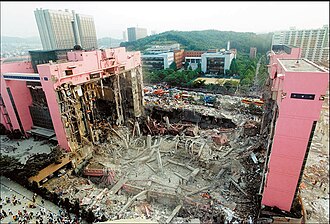
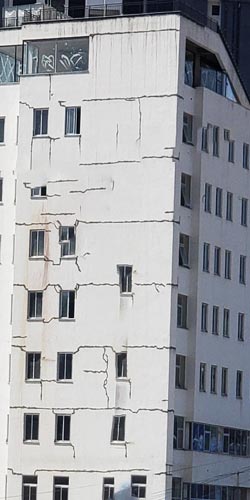
Building in Addis Ababa
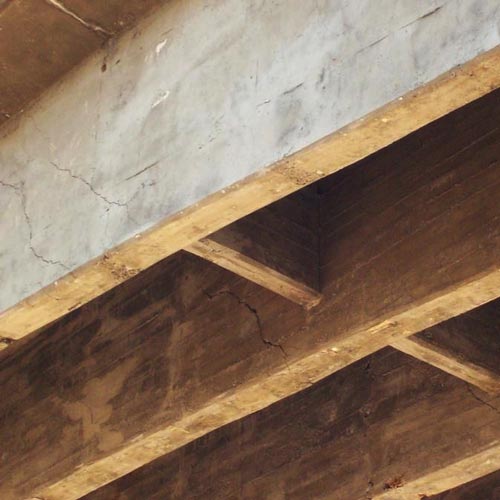
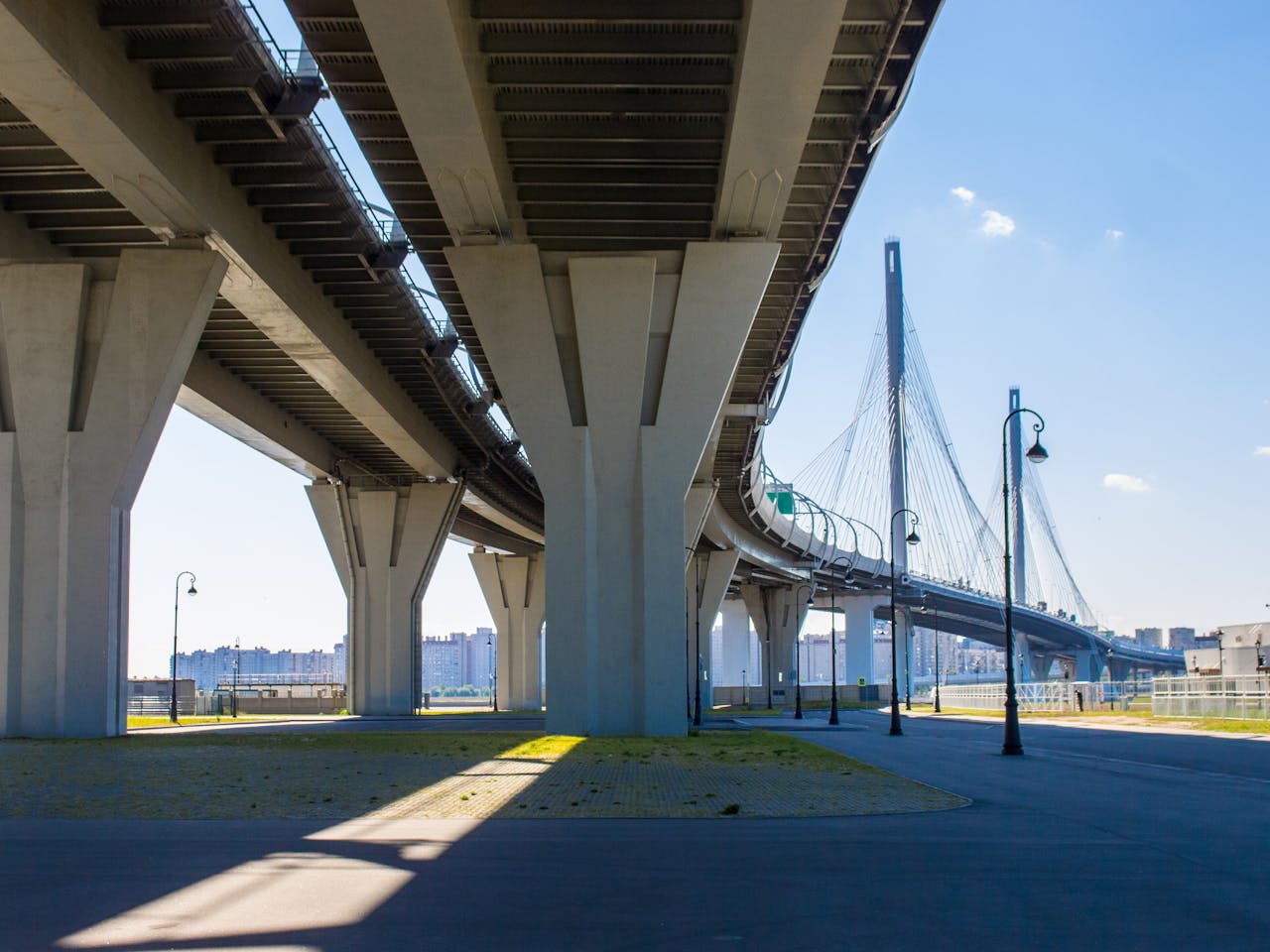
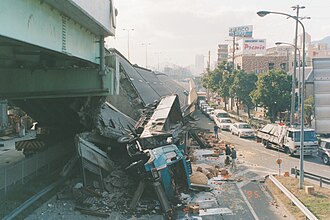
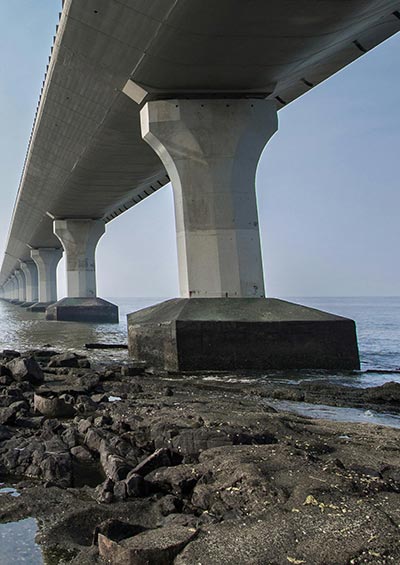
Jimma Road Gibe Bridge
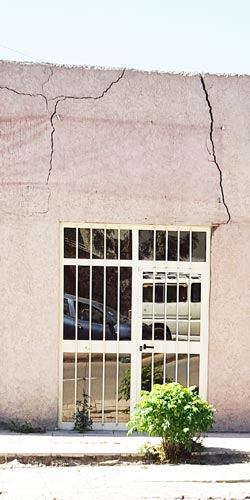
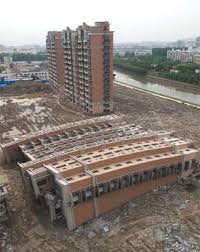
House on Kera
We’ve all noticed cracks—on walls, floors, houses, or even roads—and many of us instinctively assume something went wrong in construction. But in reality, most cracks are perfectly normal.

STRESS
Cracks are the building’s way of showing how it reacts to stress, temperature changes, moisture, and the passage of time.
They are clues which reveal how a structure is behaving, aging, and responding to its environment.
Every building, from the smallest home to the tallest tower, develops patterns over time, and cracks are part of that natural story. Whether you’re a homeowner, tenant, or simply curious, this guide will help you understand what cracks indicate, which ones are harmless, and which ones need attention.
What Exactly Is a Crack?
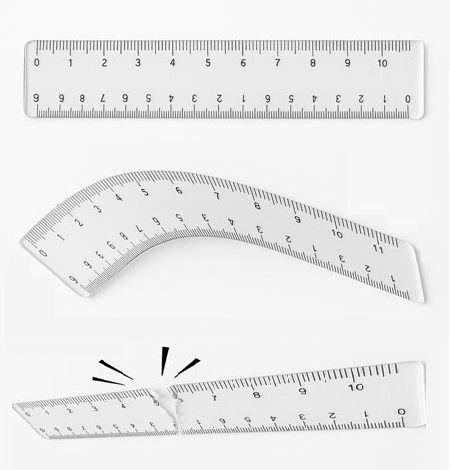
Imagine bending a plastic ruler. At first, it flexes easily. Push a little more and you feel resistance. Push too far and it suddenly snaps. A crack in a building material works the same way: it’s a split or opening that forms when the stress on the material exceeds its strength.
Materials like concrete, brick, wood, plaster, and steel all have limits. When those limits are reached—due to movement, temperature changes, poor construction, or natural aging—they respond by cracking.
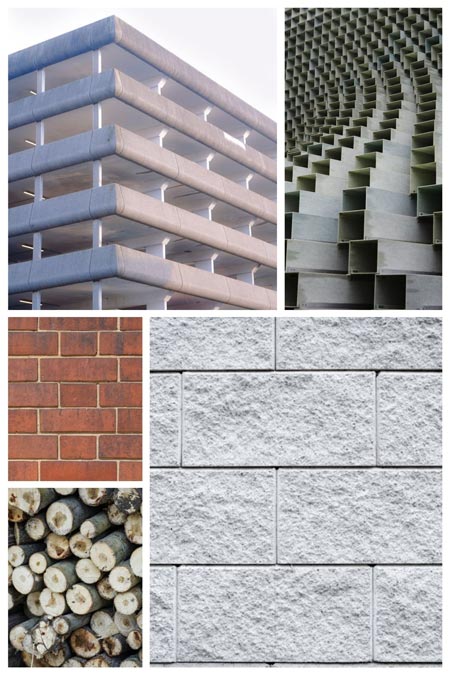
Unlike the ruler or the above balloon, a building doesn’t usually fail just because a crack appears. Cracks act as visible clues: some are harmless, reflecting normal changes, while others point to stress or movement that may need attention.
Why Do Cracks Happen?
Cracks usually result from a combination of factors rather than a single cause. Here are the most common reasons:
 Temperature changes: Materials expand in heat and contract in cold. Over time, these tiny movements can add up and cause cracks.
Example: Long concrete walls without expansion joints often develop straight cracks because they have nowhere to expand. Moisture, drying, and shrinkage: Concrete, plaster, and mortar shrink as they dry, sometimes unevenly, creating hairline cracks. Excess moisture can also weaken materials or corrode steel, leading to deeper cracks.
- Soil movement and settlement: The ground beneath a building can settle, shrink, swell, or shift, affecting floors and walls.
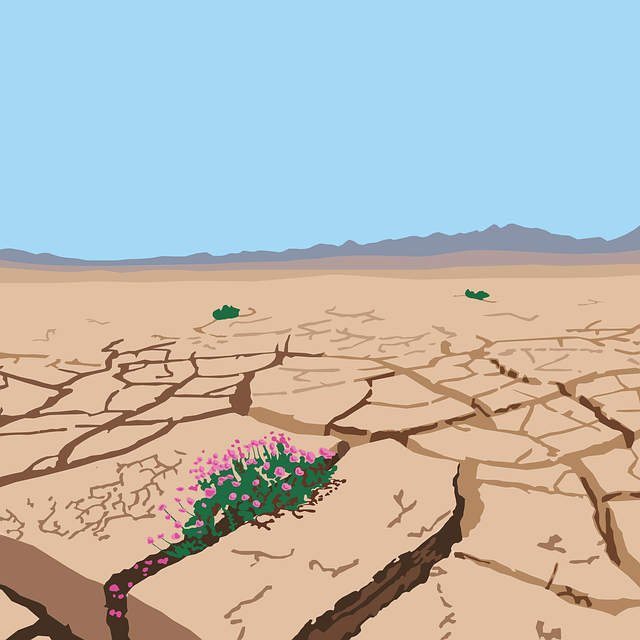
Example: Clay soils swell during rainy seasons and shrink in dry ones, causing cracks in foundations or walls.  Aging of materials: Over time, concrete becomes brittle, steel corrodes, wood warps, and paint peels. Natural aging can make cracks appear.
 Heavy loads and external forces: Vibrations, strong winds, storms, machinery, or nearby traffic can stress buildings, sometimes leading to cracks.
 Construction or design issues: Poor-quality materials, weak foundations, inadequate reinforcement, rushed construction, or lack of expansion joints can cause cracks to appear later.
Where Do Cracks Happen Most?
Cracks can appear anywhere, but some areas are more prone because they face higher stress:
Around windows and doors: Weak points where movement shows

Corners of rooms or buildings: Stress concentrates here.

Junctions of different materials: For example, brick meeting concrete.

Floors and roof slabs: Affected by shrinkage, moisture, and temperature changes.

Columns and beams: May crack from bending, shear, or corrosion.

Foundations and base of walls: Settlement often creates diagonal or tapered cracks.

Outdoor areas like driveways, pavements, and bridges also develop cracks from traffic loads, weather changes, and soil movement.
In general, cracks follow the weakest path—mortar joints, thin sections, or lightly loaded areas—giving clues about how the structure responds to forces.
Shapes and Types of Cracks
The shape of a crack can provide insight into its cause and severity. Here’s a simple guide:
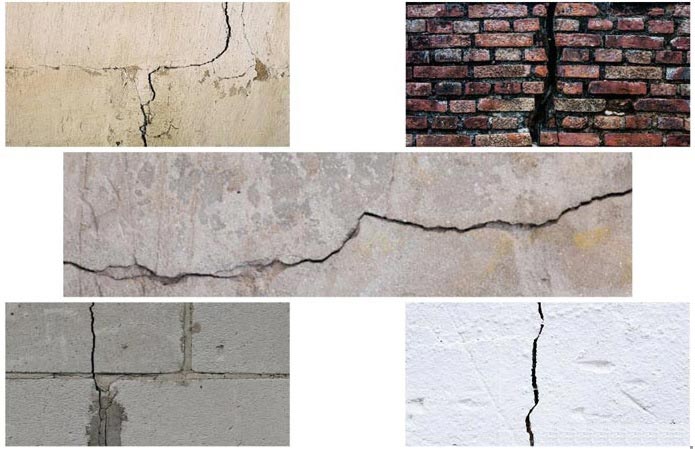
| Hairline cracks: Thin, cosmetic, caused by drying or minor temperature changes. |
| Vertical cracks: Often due to normal settlement or minor movement. |
| Diagonal cracks: Can appear when loads shift or foundations settle unevenly. |
| Step cracks in brick walls: Follow mortar lines, usually signaling foundation movement. |
| Horizontal cracks: More serious; may indicate soil pressure, water pressure, or structural stress. |
| Tapered cracks: Wider on one side; often linked to settlement or heave. |
| Random/Map cracks: Web-like surface cracks on concrete from rapid moisture loss; usually superficial. |
Understanding these patterns helps determine whether a crack is cosmetic or requires professional attention.
Are Cracks Dangerous?
Most cracks are harmless, small, and simply part of how materials age and move. However, some cracks signal deeper structural issues, especially those caused by foundation movement, heavy loads, or design flaws. Key points:
Hairline cracks are usually safe.
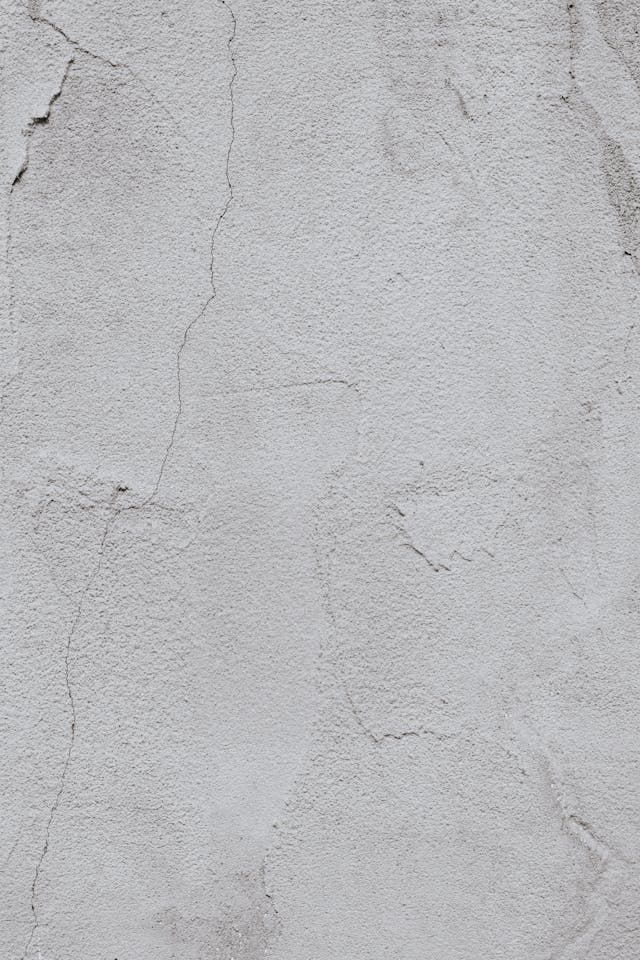
Larger, growing cracks—especially diagonal, stepped, or wider than a few millimeters—may indicate ongoing stress.
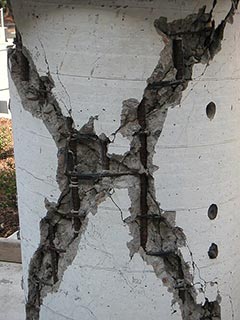
Active cracks that continue to widen should be inspected by a professional.
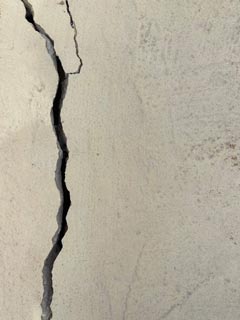
Knowing what cracks mean can prevent unnecessary worry, help you catch problems early, and ensure safer homes and buildings.
Can Cracks Be Maintained?
Cracks aren’t something we “maintain” the way we maintain paint or flooring. Instead, the goal is to prevent them, repair them, or manage them depending on their cause and severity.
- Small, stable cracks (hairline, <1 mm): are often harmless and can be left alone or sealed/repainted to stop moisture.
- Active or growing cracks: should not be filled with rigid materials (cement, hard epoxy) which may reopen or create new cracks. These types of crack need flexible sealants (mastic, polyurethane) to allow movement.
- Structural or large cracks: fix the underlying cause first (settlement, soil movement, corrosion, etc.) Then use specialized repairs like epoxy injection or stitching.
What’s Next?
In the next post, we’ll cover:
- How to prevent cracks: Simple maintenance, proper construction practices, and habits to reduce cracking.
- How to assess cracks safely: Tips for checking a crack’s size, location, shape, and growth without risk.
- When to call a professional: Signs that a crack may be structural and guidance on which experts to contact.
With this knowledge, you’ll feel confident recognizing cracks, understanding their causes, and taking the right actions to protect your building.
WHAT DO YOU THINK OF THE ABOVE ARTICLE?
Share your ideas with our community via the comment box below.
OR