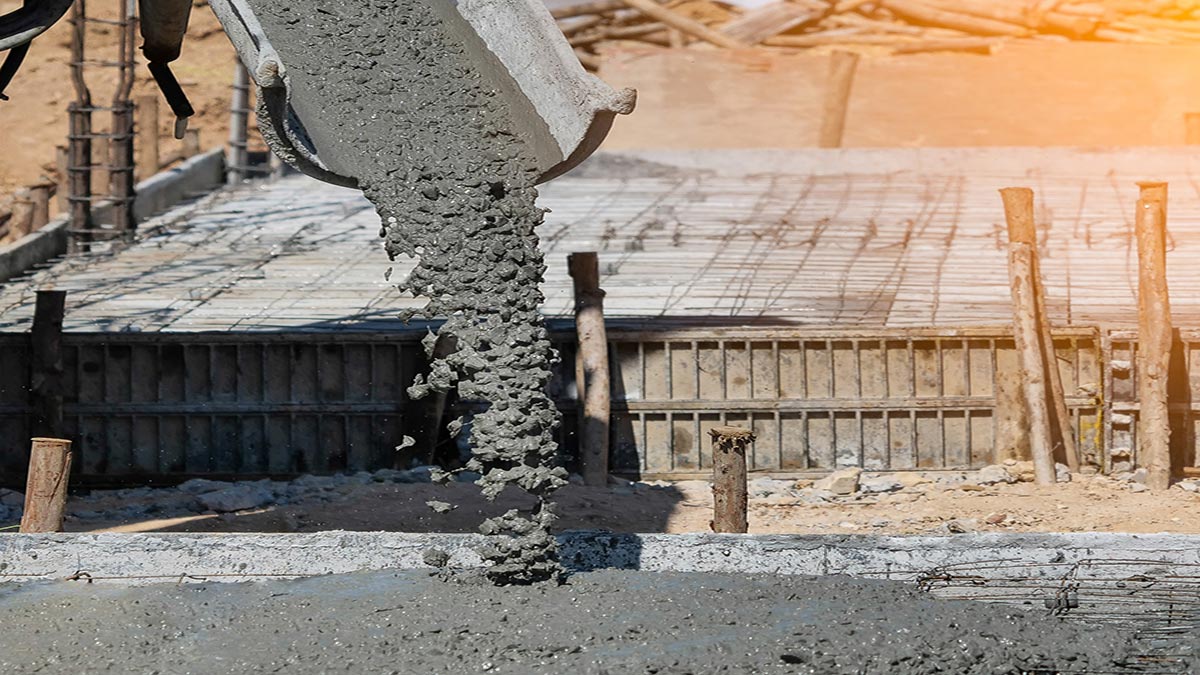
Did you know concrete is the most commonly used building material in the world? Only water is used more!

From skyscrapers to sidewalks, dams to driveways, concrete is everywhere—and it’s the backbone of modern construction.
Understanding it, even in simple terms, helps you see how our buildings and infrastructure stay strong and last for decades.
What is Concrete?
Concrete is a mix of cement, water, and aggregates (sand and gravel or crushed stone). Sometimes small amounts of special additives, called admixtures, are added to give it extra powers like faster setting, better flow, or longer durability. Even though cement is only a small part of the mix, it’s the most important ingredient—it acts like glue, binding everything together and giving concrete its strength.
The main ingredients in simple terms:
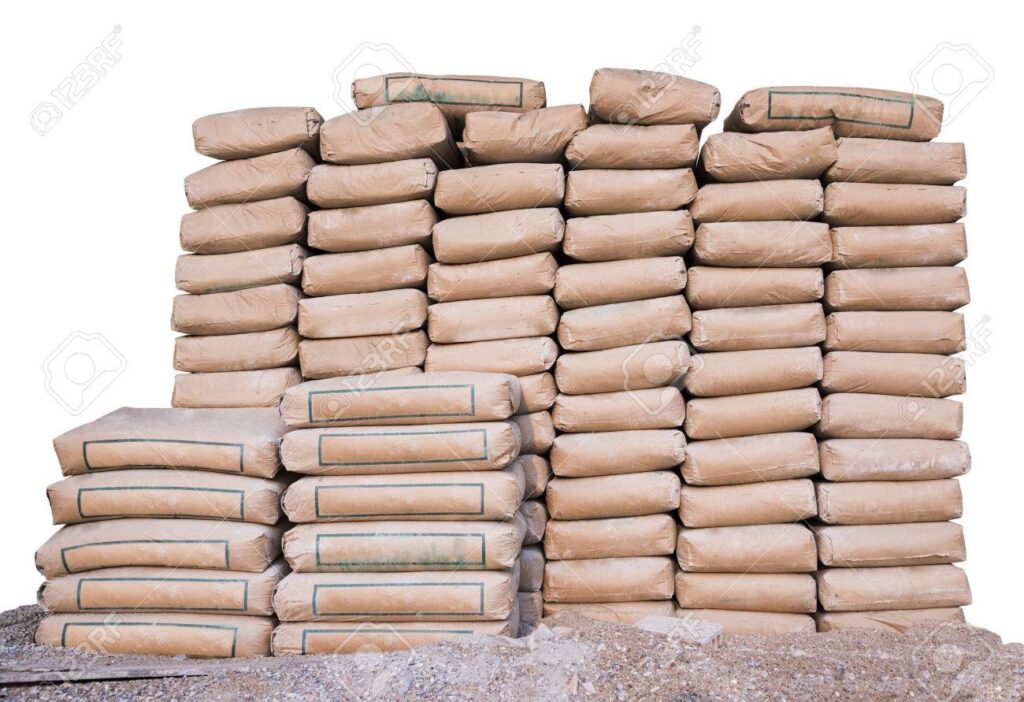
Cement: Fine powder that hardens when mixed with water; it’s the “glue” of concrete.
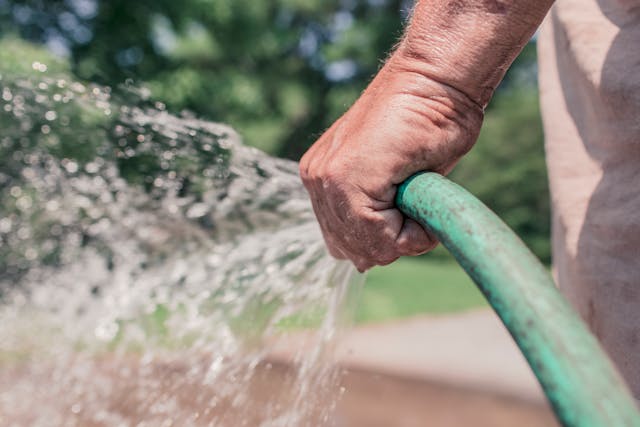
Water: Activates the cement and helps the mix flow. Too much weakens concrete, too little makes it hard to work with.
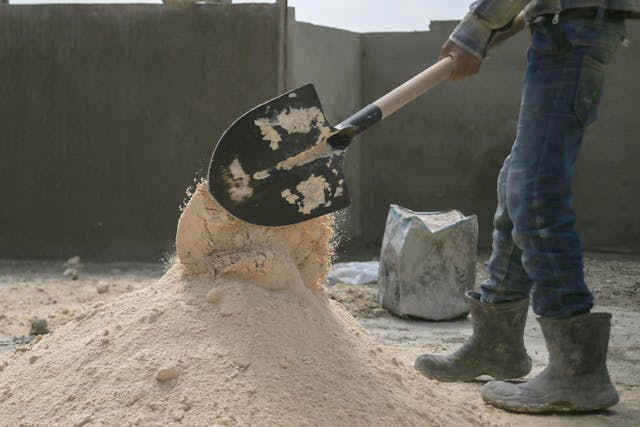
Fine Aggregates (Sand): Fills gaps and makes the mix smooth.
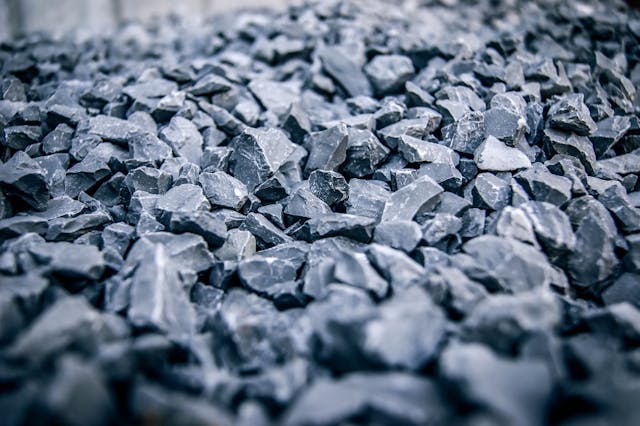
Coarse Aggregates (Gravel/Crushed Stone): The “skeleton” that gives concrete bulk and strength.
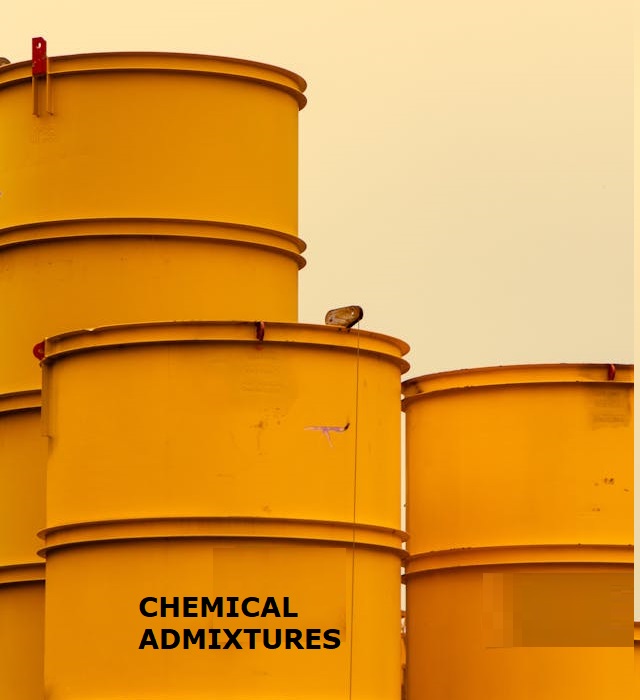
Admixtures: Optional additives that can speed up or slow down setting, improve durability, or make placement easier.
How does Concrete Hardens? The Magic of Hydration
Once cement, water, and aggregates are mixed and placed into a mold, a chemical reaction called hydration begins. This is what makes concrete harden—it’s not just drying.
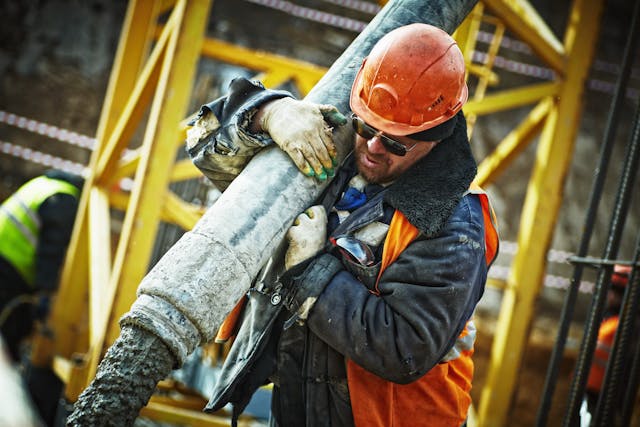
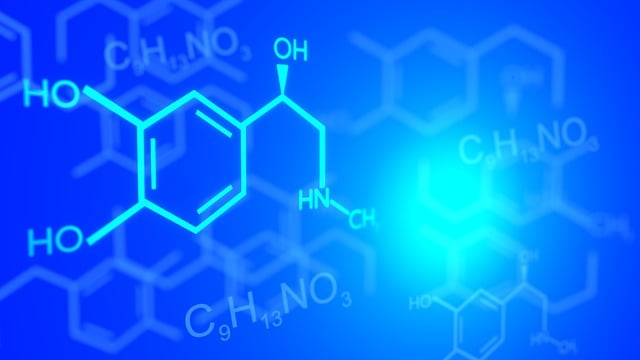
During hydration, a sticky gel called Calcium Silicate Hydrate (C-S-H) forms. This gel acts like glue, filling tiny spaces between cement and aggregates.
As it grows and links up, it turns the mix from soft and flowable into a solid, sturdy material. The reaction also produces heat, especially during the first 24 hours, which helps the concrete set properly.
Water and Curing: Keys to Strong Concrete
Water is essential for hydration, but the amount matters. About a quarter of the cement’s weight is needed for the chemical reaction, and a little more is added to make the mix workable. Too much water can leave tiny holes after it evaporates, weakening the concrete and making it more likely to crack.
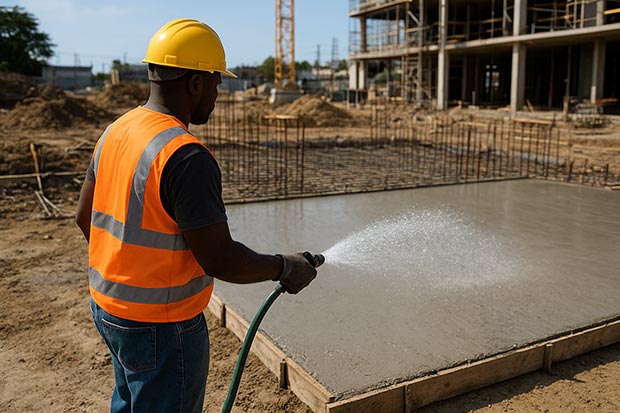
Curing is the process of keeping concrete moist and at the right temperature after it’s poured. Proper curing allows hydration to continue so the concrete reaches its full strength, durability, and long life.
How does Concrete Handles Loads?
Concrete is naturally strong when compressed or pushed, which is why columns, walls, and foundations can carry heavy weights safely. Plain concrete is weaker when stretched or pulled, but its compression strength makes it perfect for most structural uses.
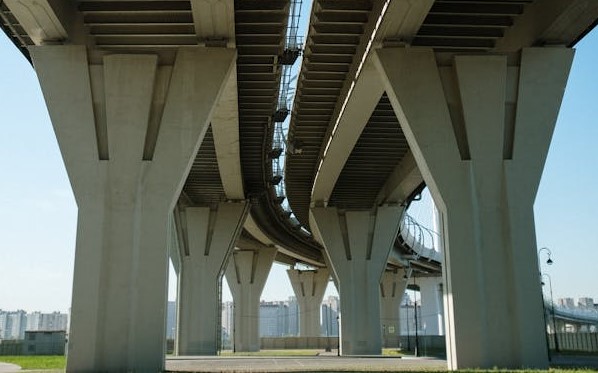
Concrete can also bend or twist slightly, like in slabs or curved elements. Its natural strength and the way it’s mixed help it resist cracking and stay durable under everyday stresses.
In short, concrete is designed to carry heavy weight, resist bending, and remain durable over time, making it one of the most reliable construction materials in the world.
Why is Concrete Special?
Concrete is strong, versatile, and long-lasting. Its plastic state when fresh allows it to be shaped into almost any form, while hardened concrete resists fire, water, decay, and extreme weather. Plus, its ingredients are cheap, widely available, and sometimes recycled, making it a sustainable choice for modern construction.
Concrete may look simple, but it’s a remarkable material that supports our cities, homes, and infrastructure every day. Knowing the basics helps you appreciate why engineers and builders rely on it everywhere—from the tallest skyscraper to the smallest sidewalk.
WHAT DO YOU THINK OF THE ABOVE ARTICLE?
Share your ideas with our community via the comment box below.
OR