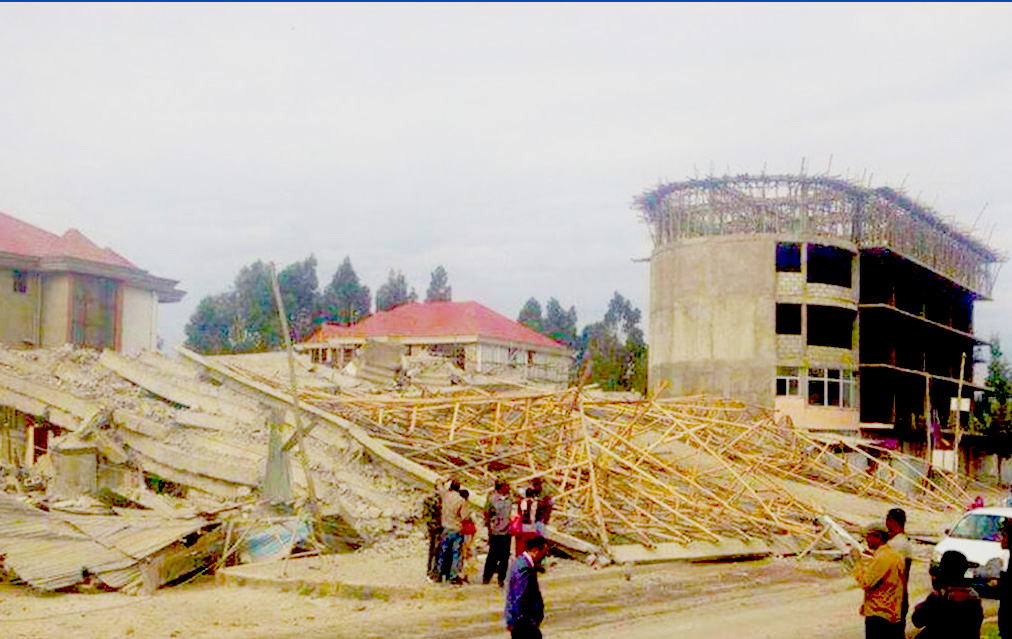
We live in a country where low-rise buildings dominate our cities, and most residential houses are built from mud and wood.
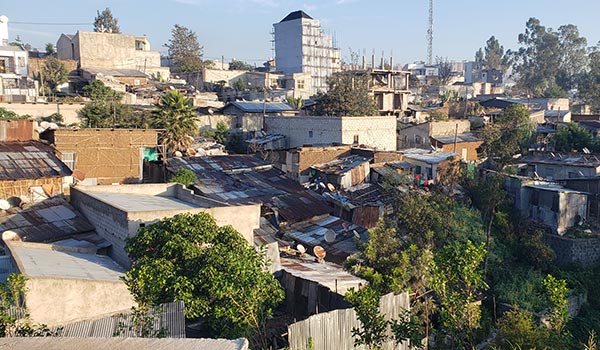
From a civil engineering perspective, these are very light structures. Combined with our natural ground conditions and the need for cost-effective construction, many buildings have traditionally been constructed using assumed or estimated ground load-bearing values, without proper site investigation. Many of these older structures still stand today, while the cases of those that have collapsed are rarely documented.

Over time, this has created a public perception that geotechnical investigations are unnecessary formalities. In some cases, the fate of structures is left not to engineering judgment and scientific evidence, but to chance—or even to faith in the almighty.
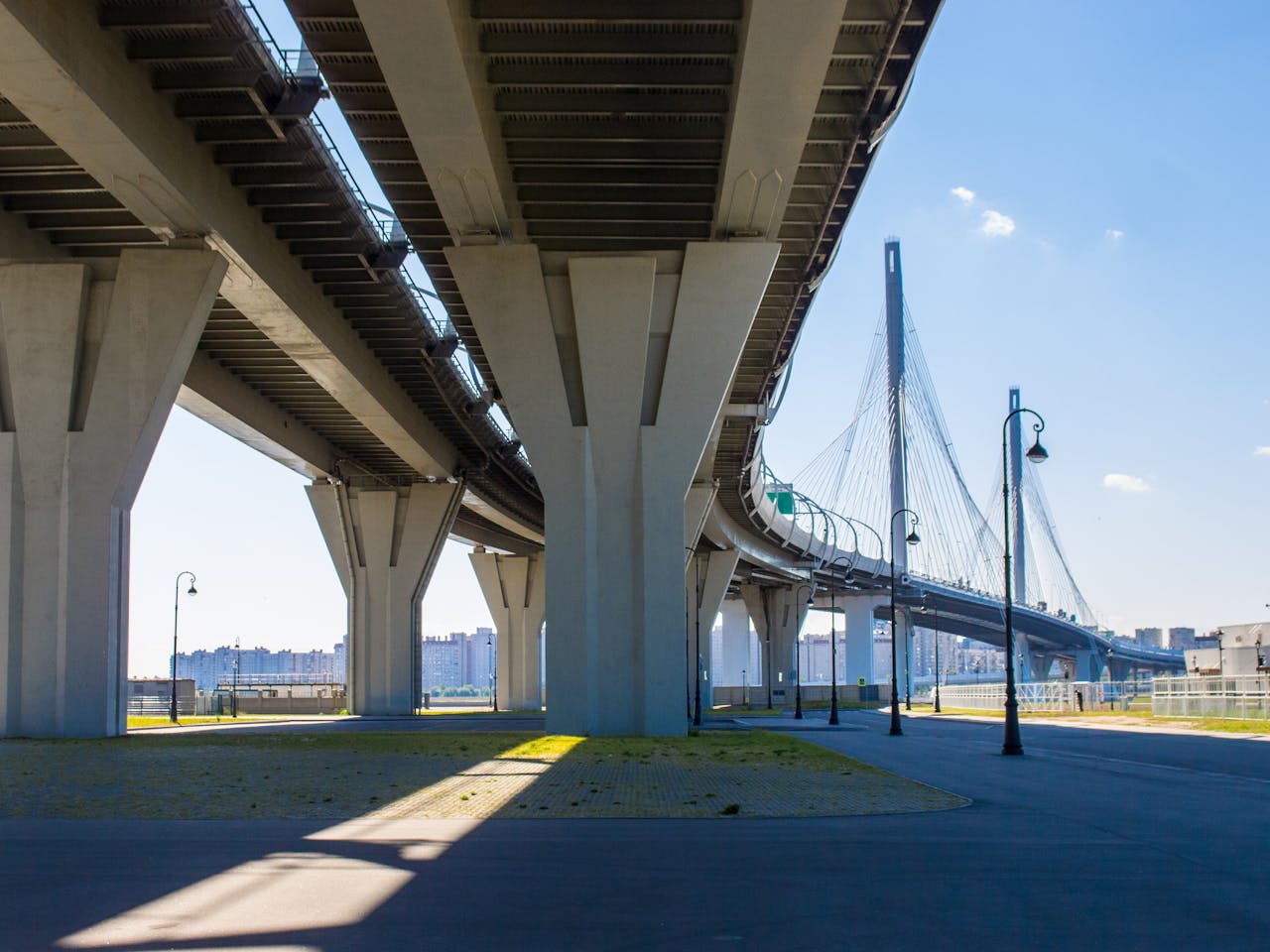
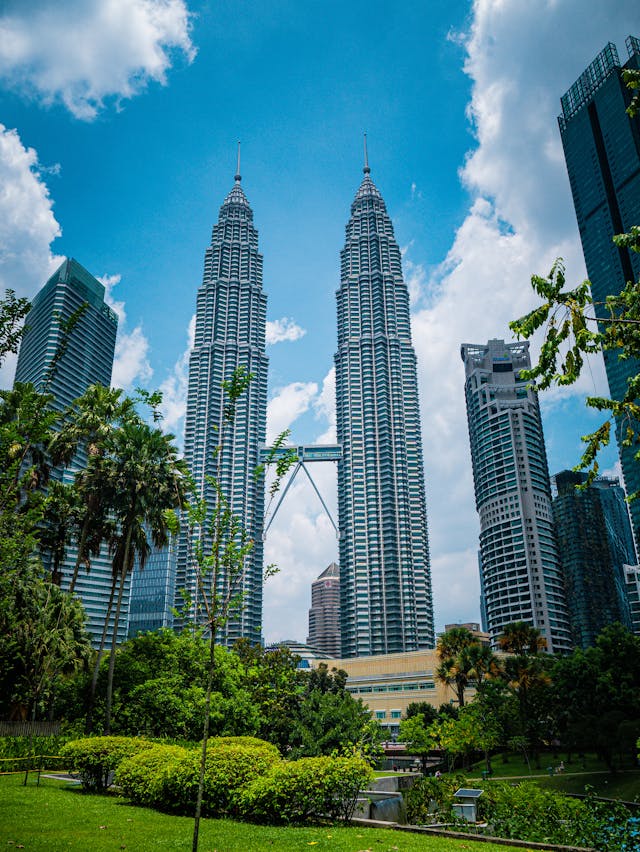
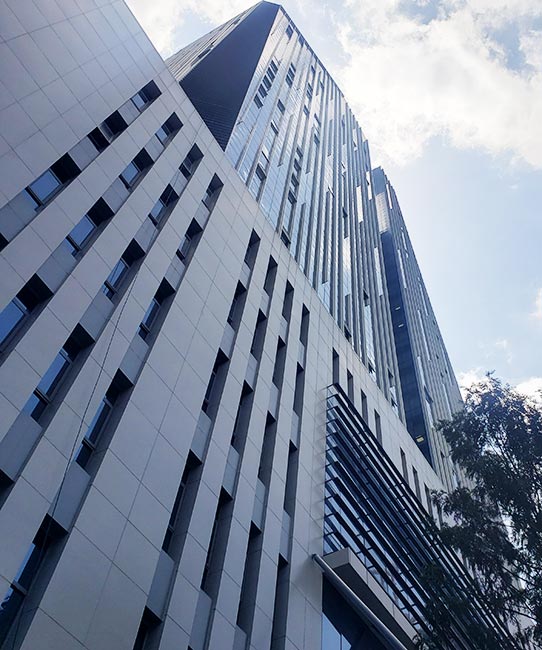
However, modern construction in Ethiopia is no longer limited to light mud-and-wood houses. Our country is now constructing multi-story buildings, bridges, roads, and dams, where the weight, complexity, and safety requirements are far greater. For such projects, understanding the ground beneath is no longer optional. Geotechnical investigation is becoming a requirement for safe, durable, and cost-effective construction.
The Importance of Geotechnical Investigations in Ethiopian Context
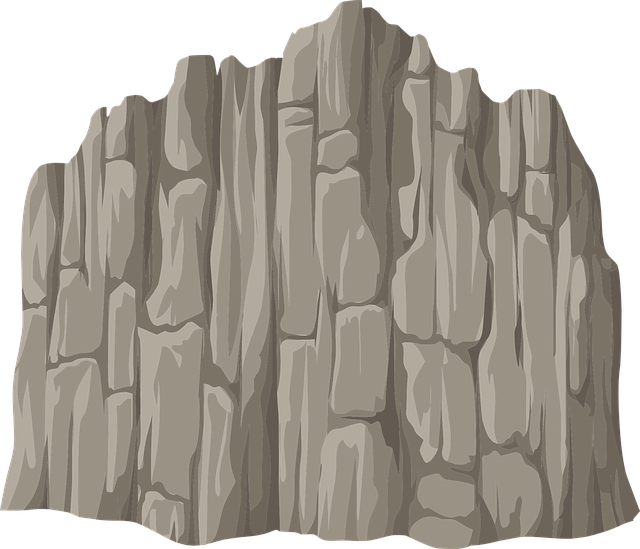
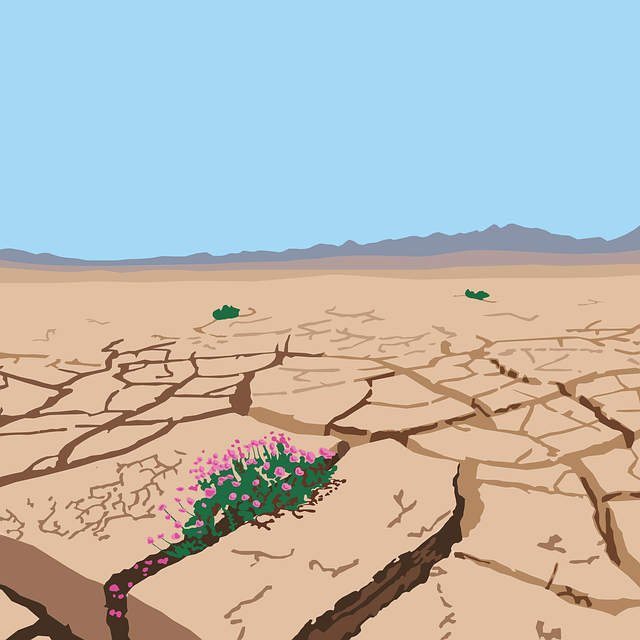
Ethiopia is a country of great natural variety—its landscapes range from high mountains and rift valleys to wide river basins and flat lowlands. With this diversity comes an equally wide range of ground conditions. The soil or rock in the ground can vary as shown below which behaves differently under the weight of a building, bridge, or dam.

CLAY SOIL
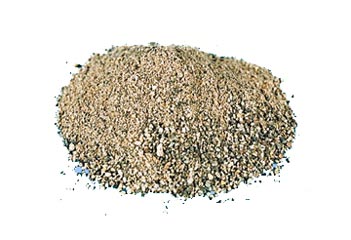
VOLCANIC ASH
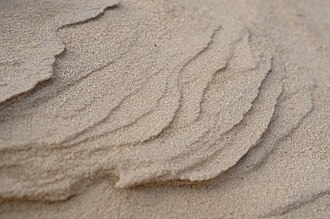
ALLUVIAL SAND
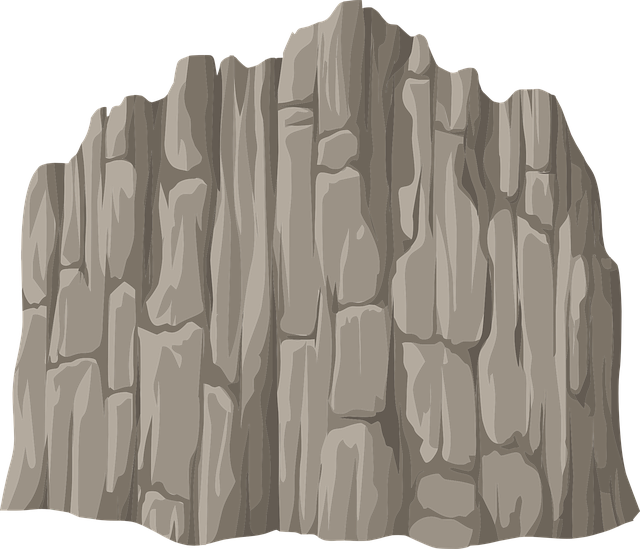
WEATHERED ROCK
In many parts of the country, the ground is further affected by seasonal changes, underground water, or even earthquakes. For example, the black cotton soils of Addis Ababa Bole area swell and shrink with moisture, while river deposits along the Awash river may shift or settle under heavy loads. Such variations mean that what works for a structure in one location may completely fail in another.
That is why geotechnical investigations are so important in Ethiopia. A proper study of the ground tells us what lies beneath a project site—its soil layers, rock condition, groundwater level, and seismic risks. With this information, engineers can design safe and lasting foundations, calculate how much weight the soil can carry, and plan for issues like settlement or earthquake resistance. In short, it is the first and most essential step toward building structures that will stand the test of time in Ethiopia’s unique environment.
Common Bad Practices in Ethiopia
Even though many project owners and government officials recognize the importance of geotechnical investigations, traditional ways of thinking often end up shaping the final decision. As a result, proper investigations are skipped or replaced with shortcuts. This has led to some widespread bad practices in the field, such as:

NO REPORT
No Investigation Report
Starting construction without any investigation at all.

Using Others Data
Using soil or rock data from another project site instead of testing the actual ground.

No Testing
Collecting soil samples but never sending them to a lab.

FORGED REPORT
Report Forgery
Relying only on guesswork or “rules of thumb” instead of scientific results.

Reducing Investigation work
Cutting down the number of test holes or samples just to save money.

Ignoring Report Results
Ignoring recommendations from geotechnical reports during construction.
These shortcuts might save time or cost in the short run, but they often lead to bigger problems.
Geotechnical Problems Encountered in Ethiopia
While many past failures may not have been officially recorded, the challenges caused by poor foundations are hard to ignore. Here are some examples commonly observed in Ethiopia:
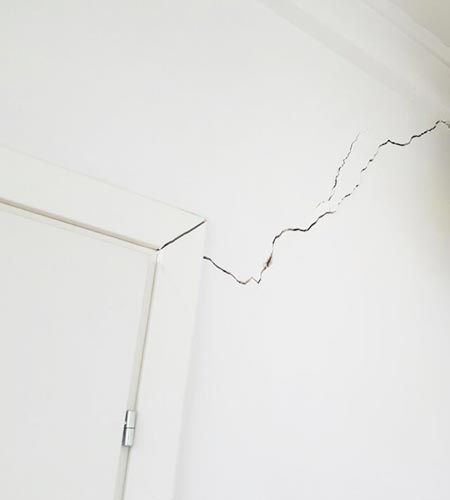
Cracks and settlement on black cotton soils
These expansive soils swell and shrink with moisture, often causing cracks in foundations and floors. Many studies, including Addis Ababa University master’s research, have documented these failures, particularly in areas like Bole.
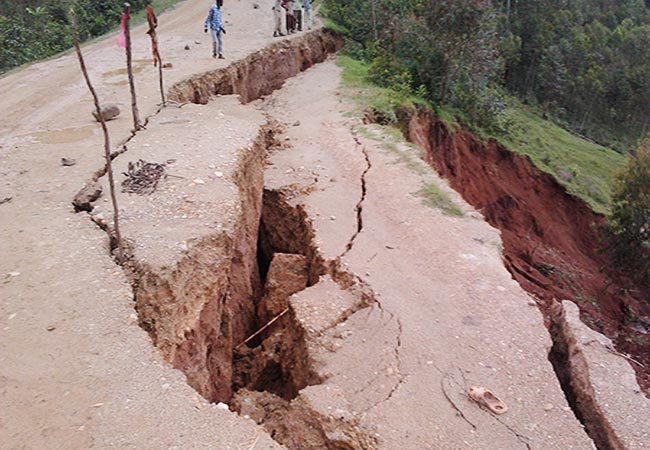
Slope failures and landslides in highland areas
Heavy rains in mountainous regions frequently trigger landslides and road collapses. The Ethiopian Roads Authority has studied many such cases, with the Abay road slope failure being one of the most well-known examples.
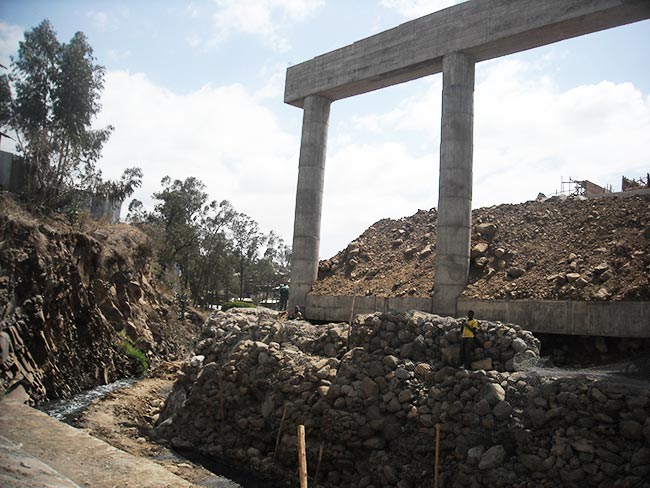
Flooding or weak foundations near rivers and lakes
Bridges and other structures built close to water often face issues with weak soil or seasonal flooding, affecting their stability and lifespan.
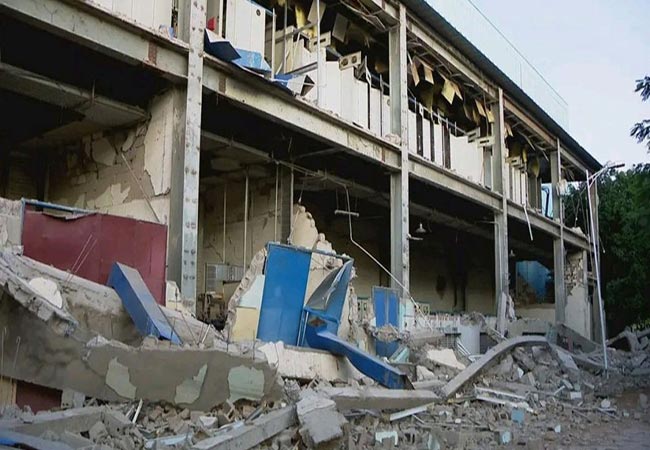
Seismic hazards in the Rift Valley
Earthquakes, such as recent activity near Fentale in the Afar region, can cause damage to poorly founded structures, highlighting the need for earthquake-resistant design.
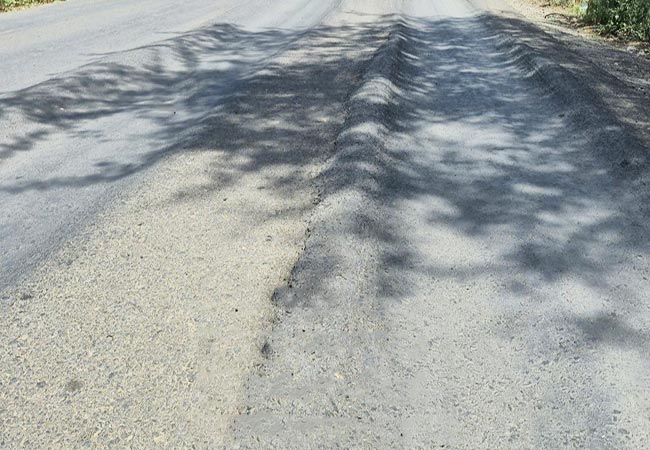
Construction delays and cost overruns
Unexpected soil problems—whether due to poor investigation or unforeseen ground conditions—are common. Highway projects like Addis Ababa–Jimma road and several buildings in Addis Ababa have experienced delays and increased costs as a result.
Recommended Actions / Best Practices
To avoid the problems outlined above and ensure safe, long-lasting construction in Ethiopia, the following practices are essential:
 Conduct proper site-specific investigations: Always examine the actual ground where the project will be built. Avoid relying on assumptions or data from other sites.
 Hire qualified geotechnical engineers: Professionals with experience in Ethiopian soils can interpret findings accurately and suggest the best foundation solutions.
 Follow Ethiopian codes and standards: Adhering to EBCS (Ethiopian Building Code Standards) ensures that soil testing, foundation design, and seismic considerations meet legal and safety requirements.
 Perform thorough laboratory testing: Soil samples should be tested for strength, compaction, moisture content, and other properties to understand how the ground will behave.
 Plan for site-specific challenges: Consider local issues like black cotton soils, highland slopes, riverside foundations, or seismic zones when designing structures.
 Apply appropriate foundation solutions: Depending on the soil conditions, this may include soil stabilization, deeper or reinforced foundations, retaining walls, or drainage measures.
 Document findings for future reference: Keeping records of investigations and design decisions helps with maintenance, expansions, or resolving disputes.
By following these steps, construction projects—from small houses to major highways and bridges—can avoid costly failures, delays, and safety risks. Proper planning ensures that Ethiopian buildings and infrastructure remain safe, durable, and reliable.
Conclusion
Geotechnical investigations are not just a technical requirement—they are a critical step for safe, durable, and cost-effective construction in Ethiopia. From understanding black cotton soils to dealing with highland slopes, riverside foundations, and seismic zones, knowing the ground beneath a project ensures that foundations and structures perform as intended.
Ignoring proper investigation has led to familiar problems: cracks, settlements, slope failures, flooding, seismic damage, and costly construction delays. Many of these issues could have been prevented with careful, site-specific geotechnical studies.
Looking ahead, we will publish two more exclusive articles:
- Documented international construction failures and what went wrong.
- Locally recorded failures in Ethiopia and the lessons they provide for future projects.
For readers who want an even deeper dive, we recommend our exclusive booklet, which investigates these failures as detailed case studies and explains the remedies applied to prevent similar issues.