Tag: project management

  • A Beginner’s Guide to Construction Planning for Owners and Project Managers

    A Beginner’s Guide to Construction Planning for Owners and Project Managers

    Now, that you have purchased a plot of land; or a site is handed over to you. It’s time to launch your project.

    Construct a building as an
    OWNER

    House renovation as
    INTERIOR DESIGNER

    Won a highway project as a
    CONTRACTOR

    Begin a big project as
    GOVERNMET OFFICIAL

    These all works start with planning. Construction planning is a process of allocating budget, time, resources and knowledge to your project in efficient way.

    Why Planning Matters

    Construction isn’t just about stones, concrete and wood—it’s about vision, coordination, and timing. Without a solid plan, even the best ideas can unravel into delays, budget shortages, and endless frustration. Planning helps you: avoid financial problems; determine materials, tools, machines, and other equipment requirement; predict things that could go wrong during a project’s lifecycle; enable quality construction; and follow legal/regulatory issues.

    Your Role as the Owner/Project Manager

    As owner and/or project manager, you definitely need to understand your role and focus on it. Your job should be:

    Think of yourself as the captain of the ship—not steering every detail, but guiding the overall direction.

    The 6 Key Phases of Construction Project

    To understand your planning process clearly, it is vital to know the 6 key phases of construction. Here’s a simplified presentation of the construction phases:

    In simple words, conception is idea or intention while design stands for drawing or illustration the conception. A team of engineers and owner/project manager should be able to develop clear project scope and design.

    Initial budget and time estimation shall also be done here. Since the next phase requires the owner’s commitment, the project’s feasibility need to be decided on this phase.

    This phase will enable the selection of project delivery method; consultants and contractors; and the right person/company. Construction proposals shall be evaluated carefully. Contract documents shall clearly define and state projects requirements.

    The owner/project manager shall announce the person/company selected for construction and supervision of the works. Both parties shall negotiate the contract terms and finalize the deal.

    Another vital stage of construction for both owners/project managers and contractors/consultants is preparing for the actual construction work.

    Some of the works to be done here are:

    • Obtain permits from various authorities
    • Site surveying (reconnaissance, utilities, etc.)
    • Safety plan
    • Project schedule

    Construction can now begin. The construction team shall start the work as per the given designs. Engineering procedures shall be followed and documented. Various formal and informal meetings need to be held. Changes shall be managed as per the contract document.
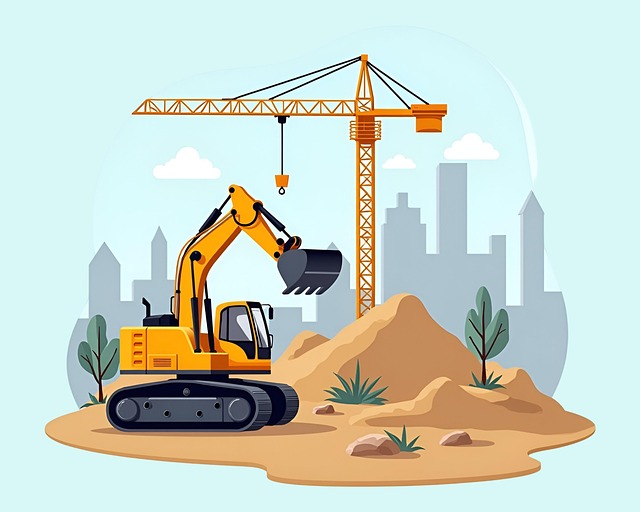
    Materials shall be supplied as early as possible. Other resources, man-power and equipment; need to be available as per the approved methodology.

    There are too many moving parts and too many variables to operate without project control. This is where all the budgeting and scheduling work gets monitored. While keeping a close eye on work quality, schedule and budget, it’s also necessary to monitor and mitigate risks.

    Delays and cost differences need to be addressed immediately. The accumulation of these issues will amount to significant hurdle if they are not accounted for on spot. Adjustment and re-calculations shall be done accordingly.

    After all the construction work is done, it is now time to close the project. This stage will require checking functionality of the completed work; finalizing payments; and documentation of the project phases.

    Common Pitfalls to Avoid

    Even experience project managers make mistakes. Here are a few traps to avoid:

    • Starting without a clear plan or budget
    • Ignoring local building codes and government permits
    • Choosing the cheapest contractor without vetting
    • Making design changes mid-construction (they’re costly!)
    • Safety of adjacent structures and buried utilities
    • Ignoring construction quality

    Final Thoughts

    Construction planning doesn’t have to be intimidating. With the right mindset and tools, you can lead your project with confidence—even if you’ve never held a hammer. Ask questions, stay curious, and remember: every great building starts with a solid plan.

    Share your ideas with our community via the comment box below.

    OR

  • Understanding Construction Contract Agreements: A Beginner’s Guide

    Understanding Construction Contract Agreements: A Beginner’s Guide

    We all see some type of construction in our daily life. And, most of us have been involved in construction work. Whether doing fence masonry; painting of family house; construction of building/bridge; or a big dam; these all fall in into construction category with of course wide range of complexity.

    It should be interesting to note that the words we use in complex construction works are very similar to simple constructions. For example, masonry -> masonry; concrete -> concrete; roof -> roof; and contract agreement –> contract agreement.

    In this article, we shall discuss construction contract agreement briefly and why it is very important to your construction work. Finally, you shall be able to draft an agreement for your construction project.

    What is construction contract agreement?

    A construction contract agreement is a written understanding between two parties to build or construct a civil engineering or related work. Now, who are these two parties? Look at the following pictures.

    Relation ShipParty 1
    (Owner)
    Party 2
    (Consultant or Contractor)
    1Individual (like Abebe, Chaltu)Individual (like Teshome, Almaz)
    2Individual (like Abebe, Chaltu)Company (AGY Consultant or Extreme General Contractors)
    3Private Business (ZTY Supermarket)Individual (like Teshome, Almaz)
    4Private Business (ZTY Supermarket)Private Business (ZTY Supermarket)
    5Government Organization (AA Housing)Individual (like Teshome, Almaz)
    6Government Organization (AA Housing)Private Business (ZTY Supermarket)

    As can be seen above, the first party (Owner/Client) want to build something while the second party will be the builder (Contractor). When these two parties agree and sign a piece of paper for a construction work, they have formed or committed a construction contract agreement.

    What are the benefits of a construction agreement?

    Construction in general is a complex undertaking. It involves two or more people to complete a project. Having written and signed contract documents shall have the following benefits

    • It clearly explains what work will be done, who is responsible for what, how long the project will take, and how much it will cost
    • It serves as a legal document for both the owner and the contractor
    • If something goes wrong or there’s a disagreement, the contract can be used to solve the problem fairly
    • It makes sure payments are made properly and on time, and it can include penalties for late work or rewards for finishing early
    • It also helps the project run smoothly by setting clear deadlines and steps to follow

    Can I prepare a construction contract agreement for my project?

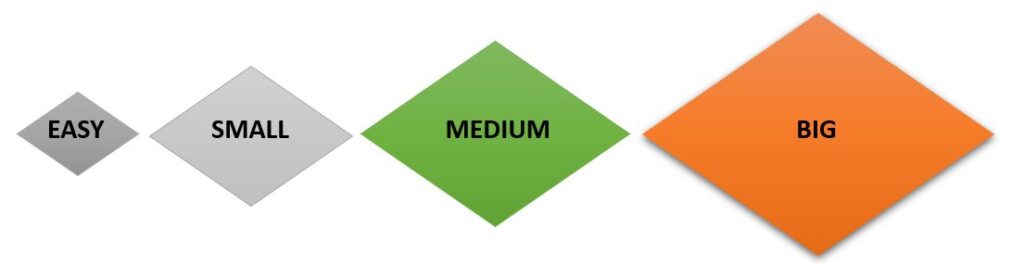
    In order to give you an answer, we first need to classify your project into one of the following complexity categories.

    project complexity categories illustration

    EASY: This is a type of construction where one or two skilled-manpower (mason, electrician, plumber, etc.) are involved. House paintings, ditch construction, fence construction, house maintenance, and so on are examples of easy construction. In this case, you may assign yourself as owner and project manager even if you don’t have experience in construction.

    SMALL: House renovation/maintenance; residence villa/building; small internal road; and small bridge constructions can be included into this group.  These construction works involve more than two skilled-men power with professionals. In this case, you may assign yourself as owner and project manager but you definitely need an experienced professional adviser. It may also be wise to assign a professional as project manager.

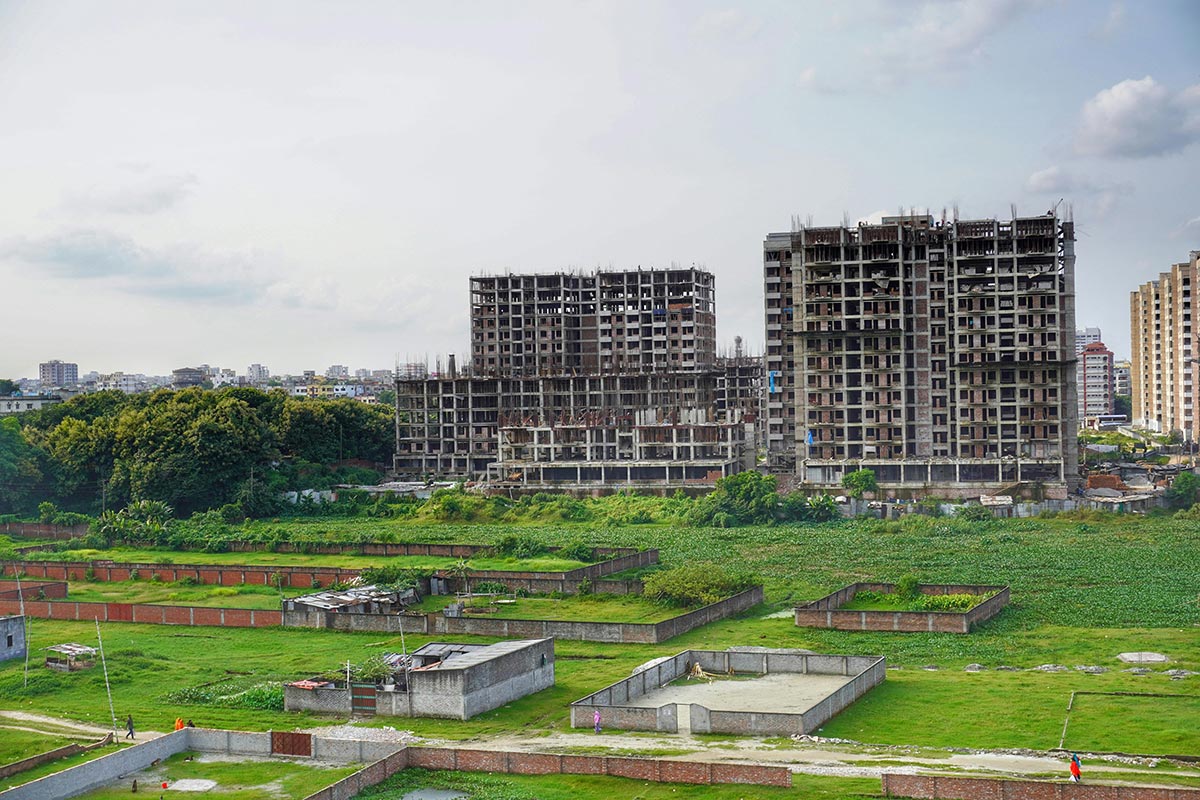
    MEDIUM: These are projects with wide scope compared to small projects. Medium rise buildings (five to twelve stories), small factories, medium span bridges, small dams, and so on fall into this category. These projects require dedicated individual professionals and companies to manage, supervise, and construct. It is highly recommended for the owner not to be a project manager. A qualified professional or company shall manage these projects.

    BIG: From medium to high-rise buildings (more than twelve stories) to highways to bridges to dams; all shall fall under this category. These projects are highly complex and difficult to manage/construct in which competent companies with specialized experience are required.

    How shall I draft my construction contract agreement?

    Based on the above complexity categories, you shall prepare a contract document for easy projects only. We have prepared a step by step guide for you on our article “how to draft a simple construction contract agreement”. You can also draft an agreement together with a professional for a small project too. Please read our guide on our article “how to prepare a formal construction contract agreement”. For medium and big projects, it is highly recommended to hire professional companies on this matter.

    In conclusion,

    A good construction contract isn’t just legal protection—it’s peace of mind. For owners, contracts provide quality guarantees and remedies if things go wrong. For contractors, they ensure fair payment terms and clear work expectations.

    Share your ideas with our community via the comment box below.

    OR